

What Are the Main Options for Replacing a Missing Tooth?
When a single tooth is missing, two commonly considered fixed treatment options are a single dental implant and a dental bridge. Both approaches aim to restore the space left by the missing tooth, support chewing function and help maintain the continuity of the dental arch. However, they achieve this in different ways. A single implant replaces the missing tooth independently by placing an implant into the jawbone and restoring it with an individual crown. A traditional dental bridge, on the other hand, usually relies on the neighbouring teeth to support a replacement tooth between them. Choosing between these options depends on several factors, including the condition of adjacent teeth, available bone, gum health, bite forces and overall treatment goals.
What Is a Single Dental Implant?
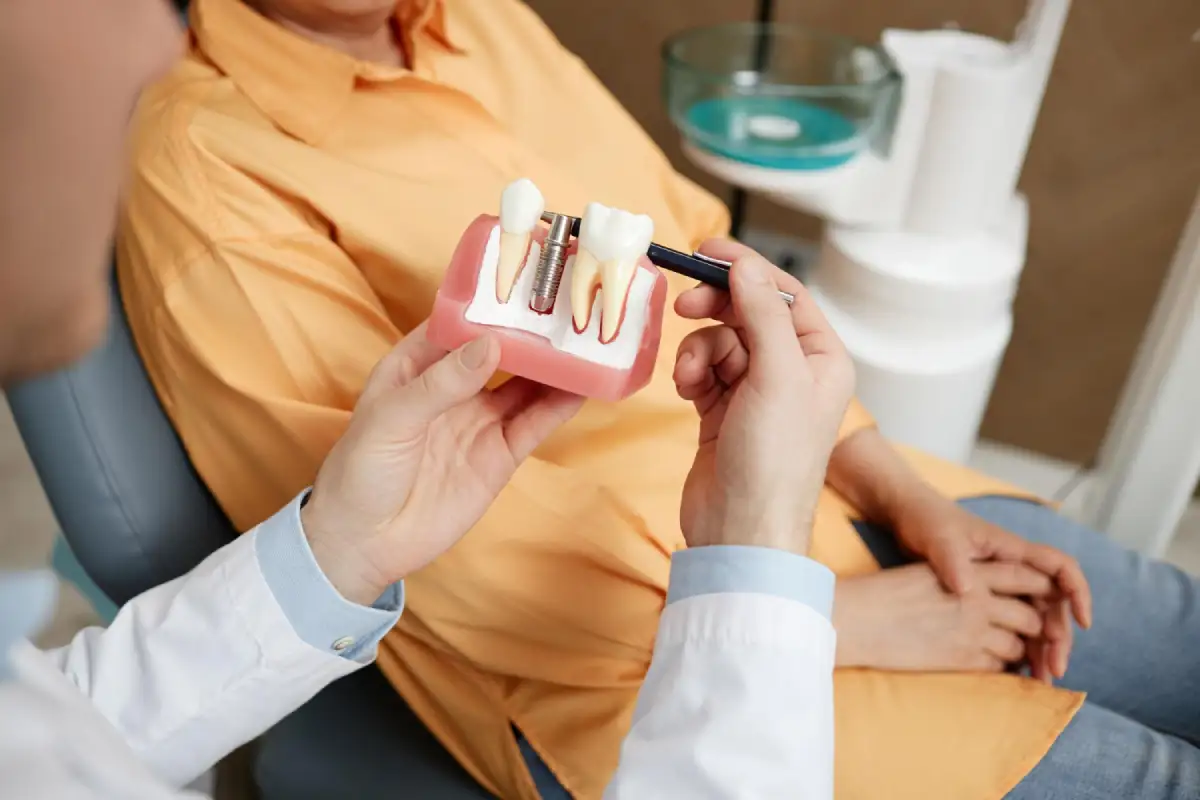
A single dental implant is designed to replace one missing tooth without using the neighbouring teeth as direct support. The implant fixture is positioned within the jawbone and acts as an artificial tooth root. After appropriate healing, an abutment and dental crown are connected to the implant to complete the visible restoration.
This approach can be particularly useful when the teeth next to the missing space are healthy and do not require crowns. Because the implant is supported independently, neighbouring teeth generally do not need to be prepared simply to replace the missing tooth. Patients considering dental implants should still undergo a clinical and radiographic assessment to determine whether adequate bone and healthy surrounding tissues are available.
What Is a Dental Bridge?
A dental bridge replaces a missing tooth by connecting an artificial tooth to supporting teeth on either side of the gap. In a conventional bridge, these supporting teeth are prepared to receive crowns, while the replacement tooth is joined between them as part of one restoration.
A bridge can be an appropriate option in selected cases, particularly when neighbouring teeth already require significant restorative treatment. If those teeth contain large existing restorations or would benefit from crowns for other clinical reasons, incorporating them into a bridge may sometimes fit naturally within a broader treatment plan. However, healthy adjacent teeth may require preparation when a conventional bridge is selected, which is an important consideration when comparing it with a single dental implant.
How Does a Single Dental Implant Preserve Neighbouring Teeth?
One of the main differences between implants and conventional bridges is how they obtain support. A single implant receives its support from the jawbone rather than from adjacent teeth. This means healthy teeth next to the missing space can often remain untouched.
Preserving natural tooth structure is an important principle in modern restorative dentistry. If neighbouring teeth are healthy and have no clinical need for crowns, avoiding unnecessary preparation may be advantageous. However, if those teeth are already heavily restored or structurally compromised, the comparison becomes more individual. The condition of the entire area should therefore be assessed rather than assuming that one method is automatically preferable in every case.
Why Is Jawbone Condition Important for Dental Implants?
A dental implant requires sufficient bone for stable placement. After a tooth is lost, the bone in that area can gradually change because it no longer receives the same functional stimulation. The amount and shape of available bone therefore need to be assessed before implant surgery.
Three-dimensional imaging may be used to evaluate bone width, height and nearby anatomical structures. If bone volume is limited, additional treatment may need to be considered before or during implant placement. Not every missing-tooth area requires bone grafting, but the possibility should be evaluated before confirming a single dental implant treatment plan.
Does a Dental Bridge Require Bone Surgery?
A conventional dental bridge does not require an implant to be placed into the jawbone, so implant surgery is not part of the procedure. Instead, treatment focuses on preparing the supporting teeth and producing a connected restoration to replace the missing tooth.
This can make a bridge relevant for patients who are not suitable candidates for implant surgery or whose clinical circumstances favour a tooth-supported restoration. However, avoiding surgery should not be the only factor considered. The condition of the supporting teeth, gum health, bite and long-term maintenance requirements also need to be evaluated.
How Do the Treatment Processes Differ?
The treatment process for a single dental implant generally involves several stages. Following examination and imaging, the implant is surgically positioned in the jawbone. A healing period is usually required to allow the implant to integrate with the surrounding bone. Once the clinical conditions are appropriate, the final crown can be planned and fitted.
A traditional bridge follows a different process. The supporting teeth are prepared, records or digital scans are taken and the bridge is produced by the dental laboratory. Temporary restorations may be used while the final bridge is being prepared. Because no implant integration period is required, the biological timeline differs considerably between the two treatments.
How Does Bone Preservation Differ?
Natural tooth roots transfer functional forces into the jawbone. When a tooth is removed, this stimulation is reduced. A dental implant placed in the missing-tooth area interacts with the jawbone and can provide functional stimulation through normal use.
A conventional bridge replaces the visible missing tooth but does not place a root-like structure into the bone beneath the replacement tooth. This does not automatically make a bridge unsuitable, but it is one of the biological differences between the two approaches. Bone condition should therefore be considered as part of long-term treatment planning.
Which Option Is Easier to Clean?
Both implants and bridges require consistent oral hygiene, but cleaning techniques differ. A single implant crown can often be cleaned in a similar way to an individual tooth, although special attention should be given to the gum line around the implant. Interdental brushes or other cleaning aids may be recommended depending on the restoration.
A bridge has a connected replacement tooth, which means the area underneath the artificial tooth must also be cleaned. Special floss, interdental brushes or other aids may be necessary to remove plaque from beneath the bridge. Whichever treatment is selected, good oral hygiene and regular professional examinations remain essential.
How Does Gum Health Affect the Decision?
Healthy gum tissue is important for both treatment options. Active gum disease should be assessed and managed before definitive implant or bridge treatment is completed. For implants, healthy tissues around the implant are particularly important because inflammation can affect the supporting structures.
For bridges, the gum health around supporting teeth also plays a major role. If the supporting teeth have periodontal problems or inadequate structural support, their ability to carry a bridge may be reduced. This is why the entire area must be examined rather than evaluating only the missing tooth space.
When May a Single Dental Implant Be Considered?
A single dental implant may be considered when one tooth is missing and the neighbouring teeth are healthy, the jawbone is suitable for implant placement and oral health is stable. It can also be useful when the objective is to replace the missing tooth independently without placing restorative load on adjacent teeth.
However, implant treatment may not be appropriate for every patient. Bone limitations, active oral disease, certain health considerations or individual anatomical factors may influence treatment planning. A clinical assessment is therefore required before deciding whether an implant is suitable.
When May a Dental Bridge Be Considered?
A dental bridge may be appropriate when the teeth next to the gap already require crowns or extensive restorative treatment. In this situation, using them as part of a bridge may provide both restoration of the supporting teeth and replacement of the missing tooth within one prosthetic design.
A bridge may also be considered when implant surgery is not clinically suitable. The strength and condition of the supporting teeth remain critical because these teeth will carry additional functional load. The dentist should evaluate their roots, periodontal support and existing restorations before recommending a bridge.
How Does the Bite Influence the Choice?
Bite forces can affect both implants and bridges. The position of the missing tooth, opposing teeth and the way the jaws move all influence restoration design. Patients who clench or grind their teeth may generate greater forces on dental restorations, which should be considered during planning.
A single dental implant crown must be shaped so that forces are distributed appropriately through the implant. A bridge must also distribute forces across its supporting teeth. Proper bite analysis is therefore important regardless of which option is selected.
What Role Does Digital Dentistry Play?
Digital dentistry can support the planning of both implants and bridges. Intraoral scanners can record the teeth and surrounding tissues, while three-dimensional imaging can help evaluate bone when implant placement is being considered. CAD/CAM systems may also be used to design crowns and bridges.
Digital workflows can improve communication between the dentist and dental laboratory, particularly when the shape, contact points and bite of the final restoration need to be carefully coordinated. However, technology should support rather than replace clinical diagnosis and treatment planning.
How Important Is the Final Crown or Bridge Material?
The visible restoration is an important part of both treatment options. Ceramic and zirconia-based materials may be considered depending on the location of the missing tooth, aesthetic requirements and functional forces. The material should be selected according to the clinical situation rather than appearance alone.
In highly visible areas, shade, translucency and integration with neighbouring teeth may receive particular attention. In areas exposed to greater chewing forces, strength and restoration design also become important. The dentist and dental technician should coordinate these factors when producing the final restoration.
What Should You Ask Before Choosing Between an Implant and Bridge?
Ask why each treatment option is being recommended for your particular situation. Find out whether the neighbouring teeth are completely healthy or already require restorative treatment. If an implant is being considered, ask about available bone, imaging and the expected treatment stages. If a bridge is proposed, ask how the supporting teeth will be prepared and whether they are suitable for carrying the restoration.
You should also understand the cleaning requirements, maintenance needs and alternative treatment options. The decision should be based on the condition of your teeth, gums and jawbone rather than on a standard preference for one treatment.
Single Dental Implant or Bridge: Which May Suit You?
There is no universal answer. A single dental implant may be particularly relevant when the adjacent teeth are healthy and there is adequate bone for implant placement. A bridge may be suitable when neighbouring teeth already require crowns or implant surgery is not appropriate.
The most suitable treatment can only be determined after evaluating the missing-tooth area as part of the entire mouth. Tooth condition, bone support, gums, bite and long-term maintenance should all contribute to the decision. Patients interested in implant-based tooth replacement can learn more from the dental implant treatment information provided by Focus Dental.
Conclusion
Both a single dental implant and a dental bridge can be used to replace a missing tooth, but they rely on different forms of support. An implant replaces the missing tooth independently and generally avoids using healthy neighbouring teeth for support, while a conventional bridge depends on adjacent teeth. Bone condition, the health of neighbouring teeth, gum health, bite and individual treatment requirements should all be assessed before deciding between them. Rather than selecting a treatment based on a general rule, the most appropriate approach is a personalised plan that considers preservation of healthy tissues, function and long-term maintenance.
Frequently Asked Questions
What is a single dental implant?
A single dental implant replaces one missing tooth using an implant placed into the jawbone, an abutment and an individual crown.
What is a dental bridge?
A conventional dental bridge replaces a missing tooth using neighbouring teeth as supports for a connected prosthetic restoration.
Does a dental implant affect neighbouring teeth?
A single implant is independently supported, so healthy adjacent teeth generally do not need to be prepared solely to replace the missing tooth.
Do teeth need to be prepared for a bridge?
In a conventional bridge, the adjacent supporting teeth usually require preparation for crowns.
Do I need enough bone for a dental implant?
Yes. Adequate bone is important for implant stability. Imaging may be required to determine whether the site is suitable.
Is a bridge suitable if the neighbouring teeth already have large fillings?
It may be considered if those teeth already require significant restorative treatment, but their overall condition and support must first be evaluated.
Which is easier to clean, an implant or bridge?
Both require careful cleaning. Bridges require additional cleaning beneath the replacement tooth, while implant crowns need attention around the implant gum line.
Can gum disease affect treatment choice?
Yes. Healthy periodontal tissues are important for both implants and bridges, and active gum disease may need treatment first.
Can tooth grinding affect an implant or bridge?
Yes. Excessive bite forces can affect both types of restorations, so clenching or grinding should be considered during treatment planning.
How do I know whether an implant or bridge is better for me?
The decision should follow a clinical assessment of the missing tooth area, adjacent teeth, jawbone, gums, bite and individual treatment needs.