

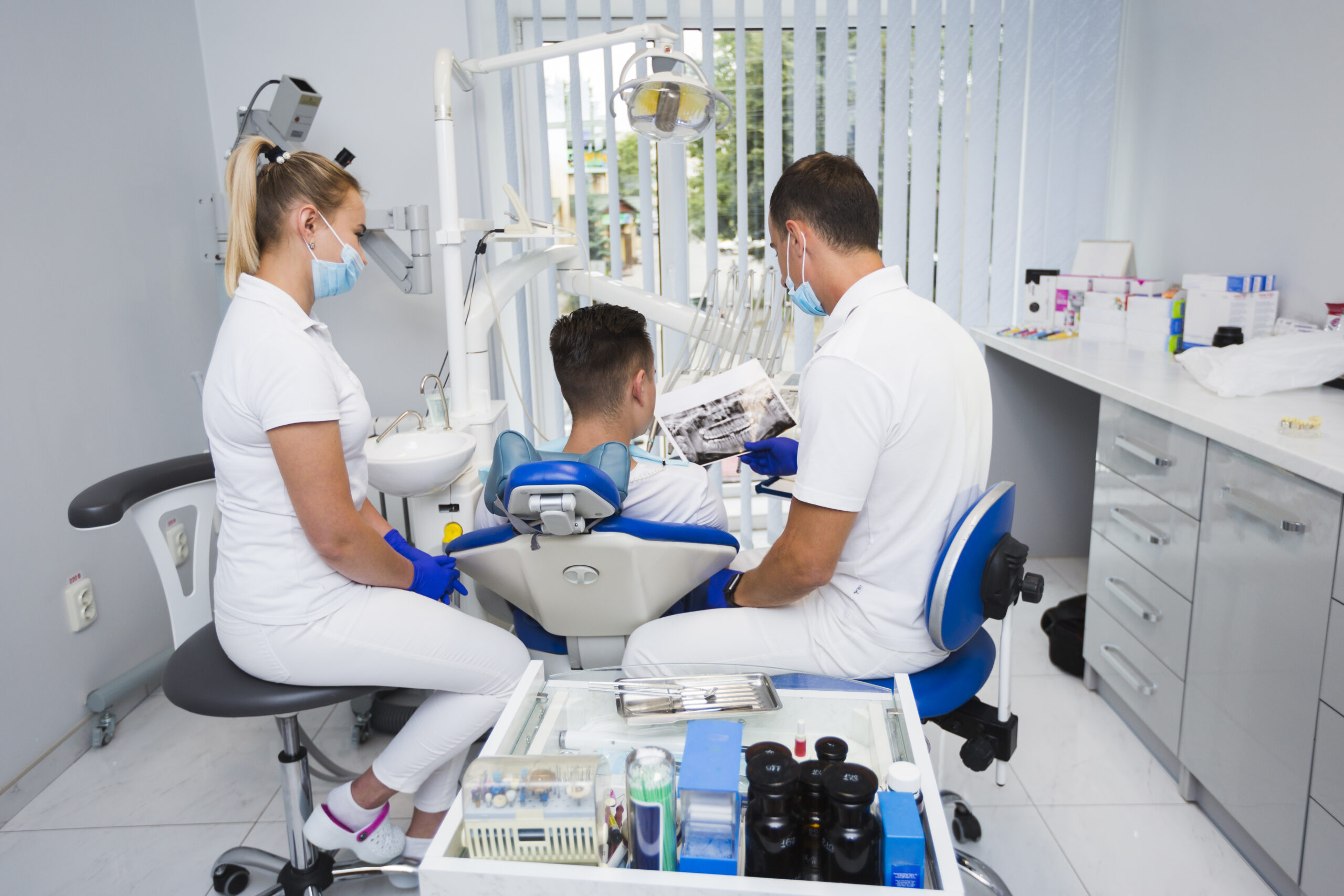
What Is Preventive Dental Care?
Preventive dental care focuses on maintaining oral health and identifying potential problems before they become more complex. At a dental clinic Bodrum residents use for routine care, preventive dentistry can include regular examinations, professional cleaning, gum assessment, oral hygiene guidance and monitoring of existing restorations. The aim is not to perform unnecessary treatment, but to detect changes early and support long-term maintenance of the teeth and gums. Preventive care is especially useful for patients with previous dental work because crowns, fillings, bridges and implants also require routine review. More information about Focus Dental’s general clinical approach is available through the dental clinic Bodrum website.
Why Are Routine Dental Check-Ups Important?
Routine dental check-ups allow the dentist to examine the teeth, gums, bite and existing restorations even when the patient has no pain. Some dental problems may develop gradually without causing obvious symptoms at first. A preventive examination can help identify early decay, gum inflammation, worn restorations or changes in the bite before they become more noticeable. The frequency of check-ups should be based on individual oral health, previous treatment and risk factors rather than one fixed schedule for everyone.
How Does Professional Cleaning Support Prevention?
Professional dental cleaning helps remove plaque and calculus that may not be completely controlled through daily brushing alone. These deposits can accumulate around the gum line and in areas that are difficult to reach. A preventive hygiene plan may also include guidance on brushing and interdental cleaning. Not every patient requires the same cleaning approach, so gum condition and plaque levels should be evaluated first. In patients with periodontal concerns, a more specific treatment plan may be necessary rather than routine cleaning alone.
How Is Gum Health Monitored?
Gum health is a central part of preventive dentistry because inflammation can affect both natural teeth and dental restorations. The dentist may look for bleeding, swelling, recession or plaque accumulation around the gum line. A periodontal health assessment can help determine whether routine hygiene is sufficient or whether further evaluation is needed. Preventive care also includes teaching patients how to clean effectively around crowns, bridges or implants, where plaque control can sometimes be more challenging.
How Are Early Signs of Tooth Decay Detected?
Early decay detection may involve visual examination together with diagnostic imaging when clinically appropriate. Some areas between teeth or beneath existing restorations cannot always be assessed by looking at the tooth surface alone. A conservative diagnostic approach aims to identify active problems without overtreating changes that can be monitored. Preventive dentistry therefore combines examination, risk assessment and individual clinical judgement rather than automatically placing fillings in every suspicious area.
Why Are Existing Fillings and Crowns Checked?
Existing restorations should be monitored because they are exposed to chewing forces and changes in the surrounding teeth over time. Fillings, crowns and bridges may develop wear or changes at their margins. A restoration maintenance review helps the dentist check whether previous dental work is still functioning properly and whether the supporting tooth remains healthy. Preventive care can therefore help extend the useful life of existing restorations by identifying problems before they become more extensive.
How Are Dental Implants Included in Preventive Care?
Dental implant maintenance is an important part of long-term preventive care. Although implant-supported teeth do not develop decay in the same way as natural teeth, plaque can still affect the surrounding gum and bone. A peri-implant health review may include checking the gums, oral hygiene, bite and the implant-supported crown or bridge. Regular cleaning and professional review remain important even when the implant feels comfortable and stable.
What Role Does Oral Hygiene Advice Play?
Oral hygiene guidance helps patients improve daily cleaning based on the specific areas where plaque tends to accumulate. The clinical team may recommend changes to brushing technique or suggest suitable interdental cleaning tools. A personalised home-care routine can be especially useful for patients with crowded teeth, bridges, implants or multiple restorations. Preventive care is more effective when professional treatment and home hygiene support each other rather than being treated as separate processes.
How Does Diet Affect Preventive Dental Care?
Dietary habits can influence both dental decay risk and surface staining. Frequent exposure to sugary foods or drinks may increase the risk of dental problems in susceptible patients. A preventive lifestyle assessment may therefore include discussion of eating habits, hydration and oral hygiene routines. The purpose is not to impose one universal diet, but to help patients understand which habits may affect their own oral health and where small changes could support prevention.
Why Is Tooth Wear Monitored?
Tooth wear can develop because of clenching, grinding, dietary acids or other functional factors. Preventive appointments provide an opportunity to monitor whether wear is progressing and whether the bite or habits need further evaluation. A tooth wear assessment may be especially relevant for patients who report jaw fatigue, morning discomfort or changes in tooth shape. Early recognition can help guide a more conservative approach before extensive restoration becomes necessary.
Can Preventive Care Include Cosmetic Advice?
Cosmetic dental concerns can be discussed during preventive visits, but oral health should be assessed first. Patients may ask about tooth colour, shape or existing restorations. A health-first cosmetic plan ensures that whitening or other aesthetic procedures are considered only after the teeth and gums are suitable. This approach helps cosmetic treatment fit within a broader long-term care strategy rather than being treated as an isolated procedure.
When Might Teeth Whitening Be Discussed?
Teeth whitening Bodrum treatment may be discussed during a preventive consultation when the patient’s main concern is tooth colour and the natural teeth and gums are healthy. A whitening suitability assessment should also consider sensitivity and visible crowns, veneers or fillings because these restorations do not whiten like natural enamel. Patients interested in professional whitening can review Focus Dental’s teeth whitening Bodrum treatment information.
How Does a Bodrum Dentist Plan Preventive Care?
A Bodrum dentist should plan preventive care according to the patient’s history, current oral condition and previous dental work. A person with stable gums and few restorations may need a different follow-up approach from someone with implants, periodontal concerns or multiple crowns. A risk-based preventive plan helps determine when check-ups, professional cleaning or additional monitoring may be appropriate. Focus Dental’s general services and approach can be explored through the Bodrum dentist website.
Why Is Diagnostic Imaging Sometimes Part of Prevention?
Dental imaging can support preventive care when the dentist needs information that cannot be obtained through visual examination alone. X-rays may help assess areas between teeth, tooth roots or bone around existing restorations and implants. A targeted imaging approach means that diagnostic records are used according to clinical need rather than automatically at every visit. Existing recent imaging may also be considered when appropriate.
How Are Preventive Appointments Scheduled?
Preventive appointment frequency should be individualised rather than based on one interval for every patient. Gum condition, decay risk, previous dental treatment, oral hygiene and lifestyle factors can all influence how often review may be recommended. A personalised recall schedule allows the dental team to monitor patients according to their actual risk profile. This helps avoid both unnecessary appointments and overly long gaps between reviews for patients who need closer monitoring.
Why Is Preventive Care Better Than Waiting for Pain?
Pain-free dental problems can sometimes develop before a patient notices significant symptoms. Preventive dentistry focuses on monitoring these changes rather than waiting until discomfort becomes the reason for an appointment. A proactive dental care approach can help identify problems at an earlier stage and may allow more conservative treatment options to be considered. Regular care also provides continuity, making it easier for the dental team to recognise changes compared with previous visits.
Conclusion
A dental clinic Bodrum preventive care approach should combine routine examinations, professional cleaning, gum assessment, restoration monitoring and personalised oral hygiene advice. A long-term preventive strategy is based on individual risk rather than applying the same schedule or treatment to everyone. Preventive dentistry aims to preserve healthy natural structures, monitor existing dental work and identify changes early. Residents who maintain regular dental reviews and consistent home care can support both their natural teeth and previous restorations over time.
Frequently Asked Questions
What is preventive dentistry?
Preventive dentistry focuses on maintaining oral health, identifying problems early and reducing the need for more extensive treatment where possible.
Does preventive care include dental cleaning?
Yes. Professional cleaning may form part of preventive care when plaque or calculus is present.
Do I need check-ups if I have no pain?
Routine examinations can still be useful because some dental and gum problems may not cause early symptoms.
How often should preventive visits be scheduled?
The interval should be based on individual oral health, previous treatment and risk factors.
Are dental implants included in preventive care?
Yes. Implant tissues, hygiene, the prosthetic restoration and bite should be monitored over time.
Why are old crowns and fillings checked?
They can develop wear or changes over time, so both the restoration and supporting tooth should be reviewed.
Can preventive care help with gum health?
Yes. Regular assessment, professional cleaning and good home hygiene can support gum health.
Is dental imaging always required?
No. Imaging should be used according to clinical need and available diagnostic information.
Can teeth whitening be discussed during preventive care?
Yes. Whitening can be considered after the dentist confirms that the teeth and gums are suitable.
Why is home oral hygiene important?
Daily brushing and interdental cleaning help control plaque between professional dental visits and are central to preventive care.