

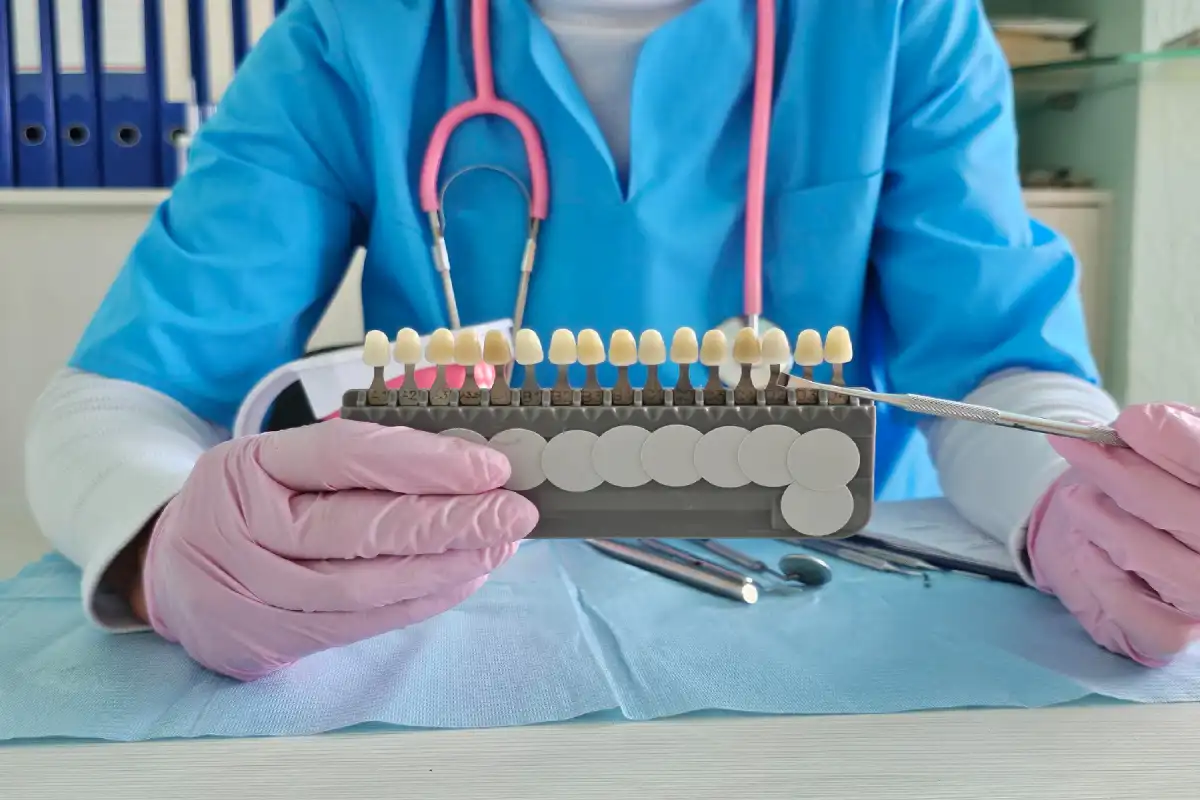
Why Do Crowns, Fillings and Implants Need Regular Maintenance?
Regular reviews with a Bodrum dentist can help monitor crowns, fillings and implant-supported restorations even when they are not causing pain. Dental restorations function within a changing oral environment where teeth can wear, gums can recede and bite relationships may change over time. A long-term restoration maintenance plan helps determine whether existing dental work remains stable or requires closer assessment.
Fillings and crowns do not necessarily need replacement simply because they have been present for many years. Their current condition is more important than age alone. A restoration that remains stable, cleanable and comfortable may continue to be monitored, while a newer restoration may occasionally require attention if there is fracture, recurrent decay or a bite problem.
Dental implants also require ongoing professional care. Although an implant does not develop decay like a natural tooth, the surrounding gums and bone can still be affected by plaque accumulation. The prosthetic crown or bridge attached to the implant can also experience wear or mechanical changes.
Patients can learn more about general ongoing dental care through the Bodrum dentist page.
How Are Dental Fillings Monitored Over Time?
Dental fillings may be checked for wear, small fractures, rough surfaces and changes around their margins. A filling maintenance assessment helps determine whether the restoration continues to protect the tooth effectively and whether the surrounding natural tooth structure remains healthy.
The dentist may also examine whether food is becoming trapped around the filling or whether the patient has developed new sensitivity. Changes in contact between neighbouring teeth can sometimes make an area more difficult to clean, particularly if the filling has worn or fractured.
Not every small change requires complete replacement. In selected cases, polishing, adjustment or continued monitoring may be appropriate. More extensive damage or recurrent decay may require a different approach. The decision should be based on the condition of the filling and the remaining natural tooth.
Patients should report new symptoms such as discomfort during chewing, sensitivity or a rough edge rather than waiting until the next routine appointment. These changes can help the dentist identify whether the restoration needs earlier review.
How Are Crowns and Bridges Maintained?
Dental crowns and bridges require regular assessment of both the restoration and the supporting teeth. The dentist may check the crown margins, gum health, stability and bite contacts. A crown maintenance plan should also consider how easily the patient can clean around and beneath the restoration.
Gum recession can gradually expose more of the tooth or crown margin, while plaque accumulation may contribute to inflammation. This does not automatically mean that the crown has failed, but the area should be assessed to determine whether the issue is primarily periodontal, cosmetic or restorative.
Bridges may require additional cleaning beneath the replacement tooth section. Flossing aids, interdental brushes or other methods may be recommended depending on the design. Effective home care is particularly important because areas around bridge retainers can be more difficult to access.
A crown or bridge that feels loose, develops a fracture or suddenly contacts differently during chewing should be professionally reviewed. Early assessment can help determine whether adjustment, repair or replacement is necessary.
How Is Dental Implant Maintenance Different?
Dental implant maintenance focuses on the health of the tissues around the implant as well as the condition of the attached restoration. Unlike a natural tooth, an implant does not have the same periodontal ligament structure, but the surrounding gum and bone still require effective plaque control. A peri-implant maintenance approach should therefore include both daily cleaning and professional review.
The dentist may assess whether the gum tissue around the implant is healthy, whether bleeding or swelling is present and whether the patient can clean the area effectively. Implant-supported crowns and bridges can also be checked for stability, wear and bite contacts.
Patients with implant-supported bridges or full-arch restorations may require additional cleaning aids to reach beneath the prosthesis. The correct technique depends on the design of the restoration and should be demonstrated by the dental team.
A dental clinic Bodrum providing long-term care should therefore monitor natural teeth, restorations and implant-supported work as part of the same overall maintenance plan.
Why Are Gum Health and Oral Hygiene Important?
Gum health is central to the maintenance of crowns, bridges and implants. Plaque accumulation around restoration margins can contribute to inflammation and make long-term care more difficult. A preventive oral hygiene routine should include effective brushing and cleaning between the teeth.
Patients may need different cleaning tools depending on their dental work. A standard toothbrush may be sufficient for some areas, while interdental brushes or flossing aids may be needed around bridges, implant-supported restorations or larger spaces between teeth.
Persistent bleeding, swelling or gum recession should be professionally assessed. These changes may indicate that the area is difficult to clean, that inflammation is present or that the restoration needs closer evaluation.
Professional cleaning may also form part of maintenance when clinically appropriate. The frequency should be based on plaque levels, gum health and individual risk rather than following the same schedule for every patient.
How Do Bite and Teeth Grinding Affect Restorations?
Bite forces can influence both natural teeth and dental restorations. Patients who clench or grind may place additional stress on fillings, crowns and implant-supported prostheses. A functional restoration assessment can help identify whether certain teeth or restorations are receiving excessive pressure.
Signs of grinding may include flattened tooth surfaces, small fractures, jaw muscle fatigue or repeated chipping of restorations. Some patients are not aware of the habit and only discover it during routine examination.
Bite contacts can also change gradually as teeth wear or restorations are added. A crown that feels comfortable when first fitted may require reassessment if the patient later notices that it contacts before neighbouring teeth.
Monitoring bite and wear patterns over time can help determine whether protective strategies or adjustments should be considered. This is particularly important for patients with multiple restorations or implant-supported dental work.
How Do Cosmetic Treatments Affect Restoration Maintenance?
Cosmetic dental treatment should be planned with existing restorations in mind. Natural teeth, fillings, crowns and veneers do not always respond in the same way to aesthetic procedures. A restoration-aware cosmetic plan helps avoid unexpected differences in shade or appearance.
Patients considering teeth whitening Bodrum should understand that whitening changes the shade of natural teeth but generally does not alter the colour of crowns, fillings or veneers. A restoration that currently matches the natural teeth may therefore appear different after whitening.
This does not mean that existing dental work should automatically be replaced. The dentist should assess whether the restoration remains clinically sound and whether the colour difference is significant enough to justify additional treatment.
Cosmetic planning should therefore be coordinated with long-term maintenance. Preserving clinically stable dental work is often preferable to replacing restorations solely because they are older or because the natural teeth have changed shade.
Conclusion
Regular maintenance with a Bodrum dentist helps monitor fillings, crowns, bridges and implant-supported restorations over time. A comprehensive restoration maintenance plan should consider restoration condition, gum health, oral hygiene, bite forces and the health of the supporting natural teeth or implant tissues.
Dental restorations do not require automatic replacement after a fixed period. Stable treatment can continue to be monitored, while clinically meaningful changes can be addressed when necessary. Consistent home care together with professional reviews provides the foundation for maintaining both natural teeth and restorative dental work over the long term.
Frequently Asked Questions
Do old fillings always need replacement?
No. Fillings should be assessed according to their current condition rather than age alone.
How are crowns checked during routine visits?
The dentist may assess crown margins, stability, gum health, supporting tooth condition and bite.
Can decay develop around a crown or filling?
Yes. Natural tooth structure around restorations can still be affected by decay.
Do dental implants need regular maintenance?
Yes. Implant-supported restorations and the surrounding tissues require regular cleaning and professional monitoring.
Why do gums bleed around a crown?
Bleeding can be associated with plaque accumulation, inflammation or other periodontal factors and should be assessed.
Can teeth grinding damage crowns and fillings?
Yes. Clenching and grinding can place additional mechanical stress on restorations.
Do bridges require special cleaning?
They may require additional cleaning beneath the replacement tooth section using appropriate hygiene aids.
Can whitening change the colour of crowns?
No. Crowns and other restorations generally do not whiten in the same way as natural teeth.
Should a loose implant crown be checked immediately?
A restoration that feels loose or different should be professionally assessed rather than waiting for a routine review.
What is the main goal of restoration maintenance?
The goal is to preserve stable dental work, protect surrounding tissues and identify clinically important changes when they occur.