

Why Does Teeth Whitening Need an Individual Treatment Plan?
Teeth whitening Bodrum treatment should begin with an assessment of the teeth, gums and existing dental work rather than immediately selecting a whitening method. Tooth colour can be affected by many different factors, including natural enamel characteristics, age-related changes, dietary habits, smoking, previous dental treatment and the presence of fillings, crowns or veneers. A personalised whitening treatment plan helps determine whether whitening is suitable and what type of result may realistically be expected.
Two patients with similar-looking discolouration may require different approaches. One may have general surface staining that can respond well to professional cleaning and whitening, while another may have colour changes related to previous trauma, medication history or existing restorations. These conditions do not behave in the same way during whitening. For this reason, a clinical examination is important before treatment begins.
Patients considering teeth whitening Bodrum should also understand that whitening changes the shade of natural teeth but does not automatically change the colour of crowns, fillings or veneers. The overall smile therefore needs to be evaluated before a final treatment sequence is decided.
How Does the Existing Tooth Colour Affect Whitening Planning?
Natural tooth colour is one of the main factors influencing whitening planning. Teeth are not naturally pure white, and the visible shade is created by the interaction between enamel, underlying dentine and light. A baseline shade assessment helps the dentist determine the starting point and discuss the level of change that may be realistic for the individual patient.
Some types of discolouration are more superficial, while others originate deeper within the tooth structure. Yellow or brown staining associated with food, beverages or smoking may behave differently from greyish or internally altered tooth colour. The distribution of the discolouration also matters. A uniform shade across several teeth is different from a single dark tooth, which may require a separate diagnostic approach before cosmetic treatment is considered.
The dentist may also compare the colour of different teeth because front teeth, canines and previously treated teeth can naturally vary in shade. The goal of treatment planning is not simply to make every tooth appear as light as possible. Instead, the expected colour change should remain compatible with the patient’s overall smile and existing dental work.
Why Are Fillings, Crowns and Veneers Important Before Whitening?
Existing dental restorations can significantly affect a whitening treatment plan. Tooth-coloured fillings, crowns, bridges and veneers do not respond to whitening products in the same way as natural enamel. A restoration-aware whitening plan therefore considers whether these materials are visible within the smile and whether their existing shade is likely to remain harmonious after the natural teeth become lighter.
For example, a patient with a crown on a front tooth may notice a greater colour difference after the surrounding natural teeth are whitened. In some cases, whitening may be completed first and the restoration reviewed afterwards. Whether replacement is necessary depends on the appearance, condition and clinical suitability of the existing restoration. It should not automatically be changed simply because whitening has been performed.
Patients visiting a dental clinic Bodrum for whitening should therefore have visible restorations identified before treatment. This makes it easier to discuss how the final smile may look and whether any additional restorative planning could become relevant after the whitening result has stabilised.
How Do Gum Health and Tooth Sensitivity Affect the Treatment Plan?
Gum health should be evaluated before whitening because inflamed, bleeding or irritated tissues may require attention first. Whitening treatment is generally planned when the oral tissues are in a suitable condition. A pre-whitening oral health check can help identify gingivitis, significant plaque accumulation, untreated decay or other issues that may need to be managed before cosmetic treatment begins.
Tooth sensitivity is another important consideration. Some patients already experience sensitivity to cold, sweet foods or brushing before whitening. Others may have exposed root surfaces, enamel wear or recession that can influence how treatment is planned. The dentist may need to modify the whitening approach, product concentration, application schedule or supportive care according to the patient’s sensitivity history.
Whitening-related sensitivity is usually discussed before treatment so that the patient knows what to monitor. If sensitivity is severe, persistent or different from expected treatment-related discomfort, professional assessment may be needed. A suitable plan should balance the cosmetic objective with the health and comfort of the natural teeth.
Can Diet, Smoking and Lifestyle Habits Change the Whitening Plan?
Lifestyle-related staining can influence both the starting tooth colour and how the result is maintained after whitening. Coffee, tea, red wine, tobacco and other strongly pigmented substances may contribute to surface staining over time. A long-term whitening maintenance plan may therefore include advice about habits that can affect tooth colour after treatment.
This does not mean that every food or drink must be permanently avoided. Instead, patients should understand that repeated exposure to staining substances can influence how quickly colour changes become noticeable again. Good oral hygiene and professional cleaning when indicated can also help manage external staining.
Smoking is relevant not only because of staining but also because it can affect broader oral health. Patients who use tobacco products should discuss this openly with their dentist so that both cosmetic and periodontal considerations can be included in the treatment plan. Lifestyle habits are therefore part of the wider assessment rather than a separate issue considered only after whitening.
How Do Dental Cleaning and Previous Treatment Affect Whitening Results?
Professional dental cleaning may be recommended before whitening when plaque, calculus or surface deposits are present. These deposits can make the teeth appear darker or more irregular in colour and may interfere with accurate shade assessment. A clean surface evaluation helps the dentist determine the underlying tooth colour more accurately before deciding whether whitening is appropriate.
Previous dental treatment can also influence the plan. A tooth that has undergone root canal treatment, experienced trauma or changed colour independently from neighbouring teeth may not respond in the same way as vital natural teeth. Such cases may require additional evaluation rather than simply applying the same whitening method to the entire smile.
A Bodrum dentist may therefore review the dental history alongside the current clinical findings. Understanding why the teeth have changed colour is often as important as choosing the whitening method itself. This helps avoid a one-size-fits-all approach and supports more realistic treatment planning.
How Is the Whitening Method and Follow-Up Plan Selected?
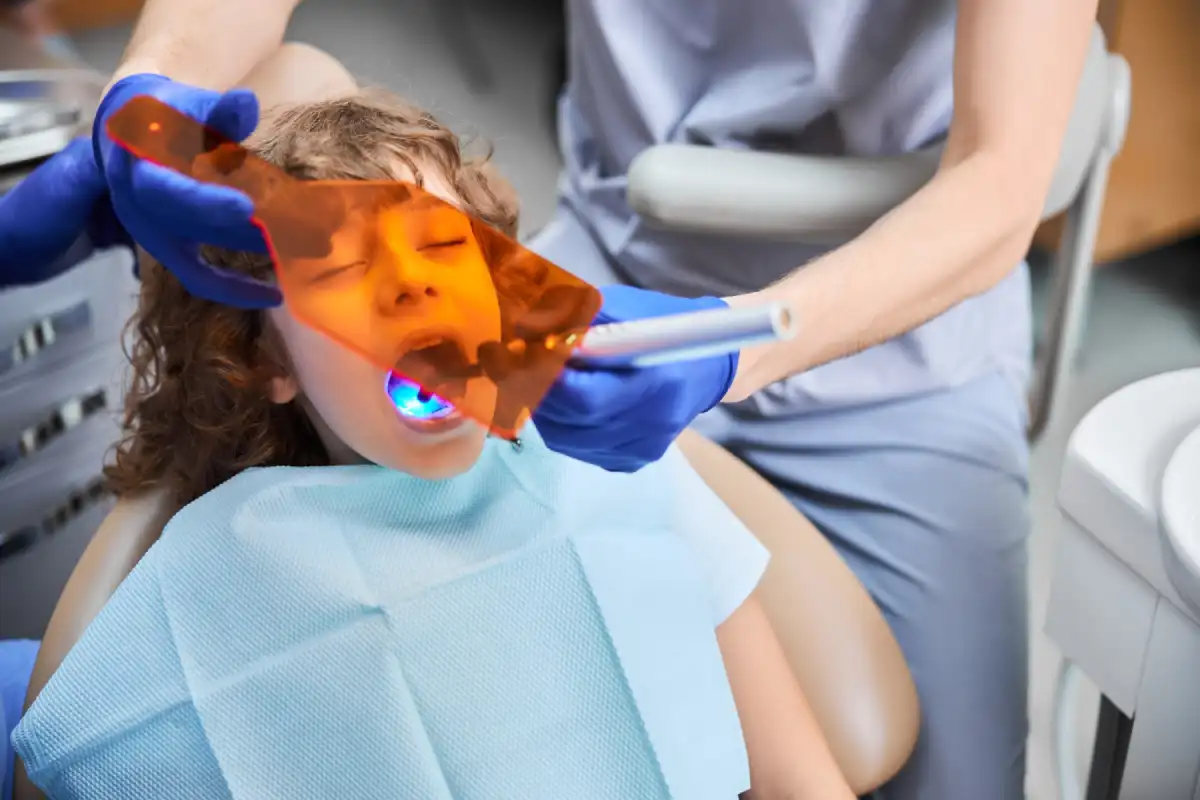
Professional teeth whitening can be planned in different ways depending on the patient’s dental condition, starting shade, sensitivity and treatment goals. The dentist may consider whether in-clinic treatment, professionally supervised home whitening or another approach is appropriate. A controlled whitening protocol should be selected after the teeth and gums have been assessed rather than based only on the patient’s desired shade.
The treatment plan should also include what happens after whitening. The dentist may review the shade once the teeth have had time to stabilise and assess whether the result remains harmonious with existing restorations. Patients may also receive guidance about oral hygiene, stain-producing habits and future maintenance.
It is important to understand that tooth colour naturally changes over time and whitening is not necessarily permanent. The need for future maintenance varies according to the individual, diet, smoking habits, oral hygiene and natural tooth characteristics. Any additional whitening should therefore be discussed with a dental professional rather than repeated without assessment.
Conclusion
Teeth whitening Bodrum treatment should be planned according to the patient’s natural tooth colour, type of discolouration, gum health, sensitivity and existing restorations. A personalised whitening assessment helps determine whether treatment is appropriate and what factors may influence the final appearance.
Fillings, crowns and veneers do not whiten in the same way as natural teeth, while lifestyle habits and previous dental treatment can also affect both the initial plan and long-term maintenance. For this reason, professional whitening is best considered as part of a broader oral health assessment rather than as an isolated cosmetic procedure.
Frequently Asked Questions
Does teeth whitening work the same for everyone?
No. The response can vary according to the original tooth colour, type of staining, enamel characteristics and previous dental treatment.
Do crowns and fillings become lighter during whitening?
No. Dental restorations generally do not change colour in the same way as natural teeth.
Should I have my teeth cleaned before whitening?
Professional cleaning may be recommended when plaque, calculus or surface staining is present.
Can I whiten my teeth if I have sensitive teeth?
Sensitivity does not automatically prevent treatment, but it should be assessed so the whitening plan can be adjusted appropriately.
Can gum problems affect whitening treatment?
Yes. Gum inflammation or other oral health problems may need to be managed before cosmetic whitening is considered.
Can one dark tooth be treated with standard whitening?
A single discoloured tooth may have a different underlying cause and should be evaluated individually before treatment.
Does coffee affect whitening results?
Frequent consumption of strongly pigmented drinks can contribute to staining over time.
Does smoking affect tooth colour after whitening?
Yes. Tobacco use can contribute to recurrent surface staining and also has broader effects on oral health.
How long do whitening results last?
The duration varies according to natural tooth characteristics, oral hygiene, diet, smoking and other lifestyle factors.
Can whitening be repeated later?
Future maintenance may be possible, but the teeth and gums should be reassessed before additional whitening is planned.