

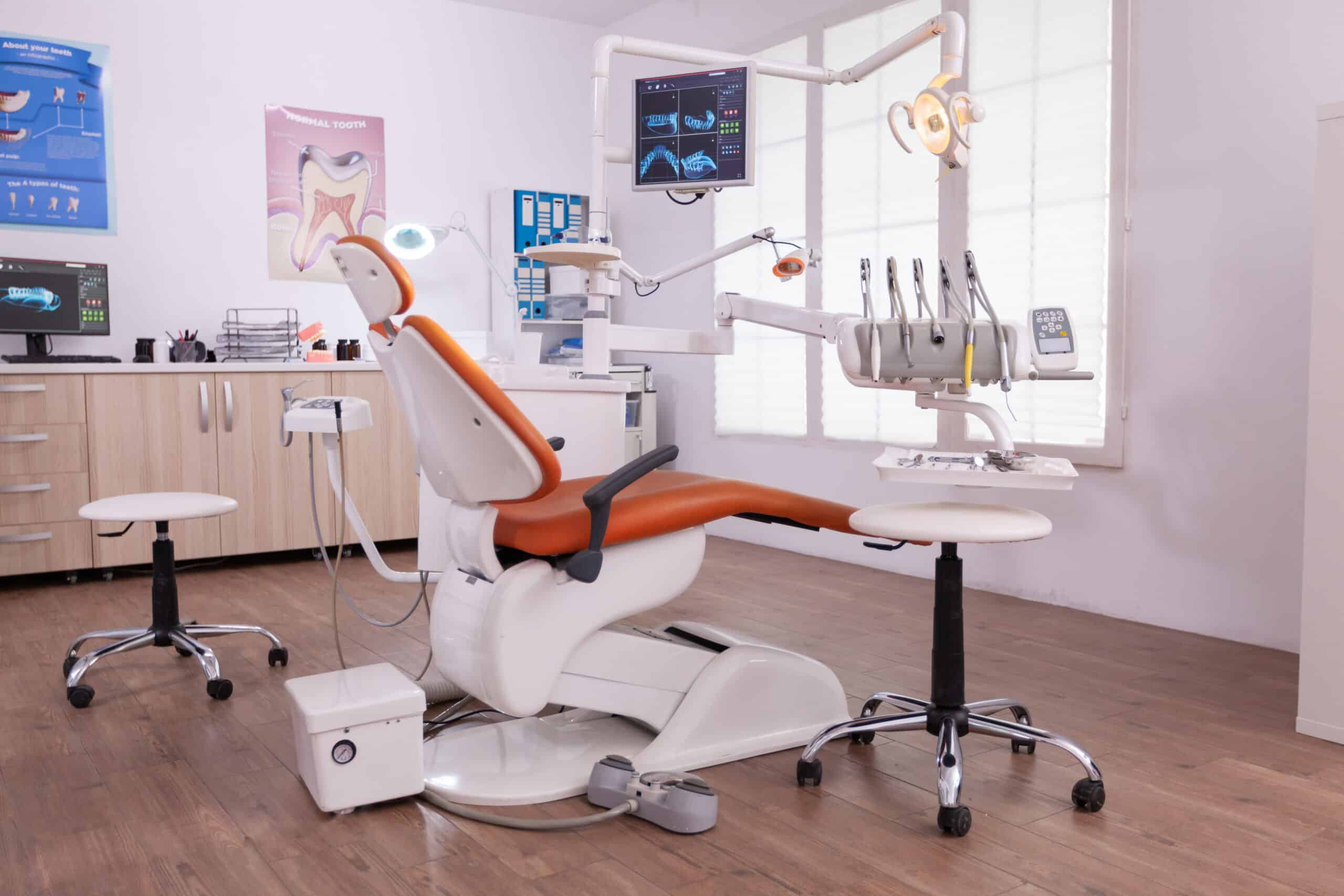
Why Should Expats Look Beyond Location When Choosing a Dentist?
Choosing a Bodrum dentist as an expat involves more than finding a clinic close to home or booking the earliest available appointment. Patients who live in Bodrum for part or all of the year may need ongoing care, emergency support, restorative treatment or regular check-ups, which makes continuity of care especially important. A long-term dental care approach should consider not only the immediate problem but also how future reviews, maintenance and previous treatment records will be managed.
Expats may also arrive in Bodrum with dental work completed in another country. Existing crowns, implants, bridges, fillings or previous root canal treatments can all influence future planning. The dentist should understand the patient’s dental history before recommending new treatment. If previous radiographs, implant records or treatment reports are available, bringing them to the first appointment can provide useful background information.
Patients should also consider whether the clinic can explain treatment in a language they understand comfortably. Clear communication is particularly important when discussing complex restorative procedures, implants or cosmetic treatment. Patients need to understand what is being recommended, why it is necessary and whether alternative options are available. More information about the general clinical approach can be found through the Bodrum dentist page.
How Should Expats Evaluate Communication and Treatment Explanations?
Clear dental communication is one of the most important factors for patients receiving care outside their home country. Medical and dental terminology can already be difficult to understand, and language differences may make treatment decisions more confusing. A transparent consultation process should allow the patient to ask questions and receive clear explanations about diagnosis, recommended treatment, possible alternatives and follow-up.
Expats should ask whether the clinic can provide treatment plans and important instructions in English. This is particularly useful when several appointments are required or when the patient may later need to share information with another dentist. Written records can help reduce misunderstandings and provide a clearer reference after the appointment.
The dentist should also explain which parts of the treatment plan are confirmed and which may change after further imaging or examination. For example, implant planning may require additional diagnostic information, while a cosmetic treatment may depend on gum health or existing restorations. Patients should not feel pressured to make a decision before they understand these details.
Communication also matters after treatment. Expats should know how to contact the clinic if they experience unexpected sensitivity, discomfort or a problem with a restoration. A reliable communication pathway can make follow-up easier, especially for patients who travel between Turkey and another country during the year.
What Should Be Checked During the First Dental Examination?
A first appointment at a dental clinic Bodrum patients choose should include a broad evaluation of oral health rather than focusing only on one visible problem. The dentist may assess the natural teeth, existing restorations, gum health, bite and areas of sensitivity or discomfort. A comprehensive first examination can also identify areas that require monitoring even if they do not currently cause symptoms.
Expats with previous dental work should mention where and when the treatment was completed if they know this information. Implant patients should ideally provide the implant system details because this information can be useful if future maintenance or prosthetic work becomes necessary. Crown and bridge patients may also benefit from bringing previous records when available.
Imaging may be recommended if the dentist needs to assess tooth roots, bone levels, previous root canal treatment or implant areas. Not every patient requires the same imaging, so the reason for each scan should be explained. Patients should feel comfortable asking why an X-ray or digital scan is necessary and how it will affect the treatment plan.
Gum health should also be part of the examination. Bleeding, recession or inflammation can influence restorative and cosmetic treatments. A clinic that evaluates the gums as well as the teeth is more likely to approach treatment as part of overall oral health rather than as an isolated cosmetic procedure.
How Should Existing Crowns, Fillings and Implants Be Reviewed?
Many expats already have existing dental restorations when they begin seeing a new dentist in Bodrum. These may include fillings, crowns, bridges, veneers or implants. A restoration monitoring plan should assess whether these treatments remain clinically stable rather than replacing them automatically because they were completed elsewhere or several years ago.
The dentist may examine restoration margins, bite contacts, gum health and the natural tooth structure around crowns or fillings. Implant-supported restorations may require assessment of the surrounding tissues, prosthetic components and cleaning access. Older restorations do not necessarily need replacement simply because of their age. Their actual condition should guide the decision.
Expats should ask whether the clinic can maintain dental work completed abroad and whether any special records are needed. If an implant system is unfamiliar or documentation is unavailable, additional assessment may be necessary before modifications are made. This is another reason why keeping treatment records is useful when moving between countries.
A dental clinic Bodrum providing long-term care should also explain which restorations need immediate treatment and which can simply be monitored. This conservative approach can help preserve healthy tooth structure and avoid unnecessary procedures.
What Should Expats Ask About Preventive and Cosmetic Care?
Preventive dental care is particularly useful for expats planning to live in Bodrum for an extended period. Routine examinations, gum health monitoring, professional cleaning when required and review of existing dental work can help maintain oral health over time. A personalised maintenance plan should reflect the patient’s dental history rather than using the same schedule for everyone.
Cosmetic treatment may also be part of an expat’s dental care plan, but it should follow a proper health assessment. For example, patients interested in teeth whitening Bodrum should first have natural teeth, gum health and existing restorations evaluated. Whitening changes the shade of natural teeth but does not affect crowns, fillings or veneers in the same way, which can influence the final appearance.
Patients considering veneers, crowns or other aesthetic procedures should ask whether more conservative options are suitable first. The dentist should explain how much natural tooth structure would be affected and why a particular treatment is being recommended. Cosmetic goals should be balanced with long-term tooth preservation and function.
Preventive and cosmetic care should also be coordinated. For example, treating gum inflammation before cosmetic restorations can improve planning and maintenance. This is why expats should look for a clinic that evaluates oral health as a whole rather than separating routine care from aesthetic treatment.
How Should Emergency Care and Follow-Up Be Planned?
Emergency dental care can become important for expats who live in Bodrum full time or spend several months there each year. Patients should know what to do if they develop sudden pain, swelling, a broken filling, a loose crown or another urgent dental problem. A clear follow-up system can make these situations easier to manage.
It is useful to ask how the clinic handles urgent appointments and whether previous records can be accessed quickly. Patients with implants or extensive restorative work may also need specific information about what to do if a prosthetic component becomes loose or damaged. Having a clinic that already understands the patient’s dental history can simplify emergency assessment.
Follow-up is equally important for planned treatment. After crowns, implants, periodontal treatment or other procedures, patients should understand when reviews are needed and what symptoms should prompt an earlier appointment. Expats who divide their time between Turkey and another country should discuss how follow-up can be coordinated with a local dentist abroad if necessary.
Keeping copies of treatment records, imaging and implant information can help maintain continuity. This is particularly useful if a patient moves, changes countries or needs future care from another dental professional.
What Should Expats Check Before Confirming an Appointment?
Before booking, expats should review a few practical and clinical details. They should confirm whether the clinic can communicate clearly in English, whether the first appointment includes a full dental assessment and whether written treatment plans are available for more complex procedures. A well-organised dental consultation should provide enough information for the patient to understand what will happen before treatment begins.
It is also helpful to ask who will perform the treatment and whether different clinicians are involved in complex cases. Implant surgery, restorative dentistry, gum treatment and root canal therapy may require different areas of clinical experience. Patients should understand how these stages are coordinated within the clinic.
Expats may also want to ask how long appointments usually take, whether multiple visits are required and how follow-up is arranged. These practical details matter for patients balancing work, travel or seasonal residence in Bodrum. A continuity-focused dental plan should make it clear how care will continue after the initial procedure.
The decision should ultimately be based on the quality of the clinical assessment, communication and treatment planning rather than convenience alone. A nearby clinic can be useful, but long-term confidence in the treatment plan and follow-up process is more important.
Conclusion
Expats choosing a Bodrum dentist should consider communication, first-examination quality, existing dental work, preventive care, emergency access and long-term follow-up before booking. A personalised dental care plan is particularly valuable for patients who already have restorations or who divide their time between Turkey and another country.
Clear explanations, accessible records and coordinated follow-up can make dental care easier to manage over time. Rather than selecting a clinic based only on location or a single treatment, expats should look at how the clinic approaches diagnosis, treatment planning and ongoing maintenance. This provides a stronger foundation for consistent dental care while living in Bodrum.
Frequently Asked Questions
What should expats check before choosing a dentist in Bodrum?
Communication, treatment planning, dentist experience, follow-up, emergency care and the ability to review previous dental work are useful criteria.
Should I bring dental records from my home country?
If available, previous X-rays, treatment reports and implant information can help the dentist understand your dental history.
Can a dentist in Bodrum maintain implants placed abroad?
Existing implants can be assessed, but having information about the implant system can make future maintenance easier.
Do old crowns and fillings need to be replaced when changing dentists?
No. Existing restorations should be evaluated according to their current clinical condition rather than replaced automatically.
Should expats have routine dental check-ups in Bodrum?
Regular reviews can help monitor natural teeth, gums and existing dental work, especially for long-term residents.
Can I discuss cosmetic dentistry at my first appointment?
Yes, but the dentist should first evaluate oral health and determine whether the teeth and gums are suitable for cosmetic treatment.
Why is English communication important in dental care?
Clear communication helps patients understand diagnosis, treatment options, risks, follow-up and home-care instructions.
What should I ask about emergency dental care?
Ask how urgent appointments are handled and how to contact the clinic if pain, swelling or restoration problems occur.
Can my dental care be coordinated with a dentist in another country?
Yes. Keeping treatment records and sharing relevant information can help different dental professionals coordinate future care.
What is the most important factor when choosing a dentist as an expat?
A clear, personalised treatment plan with good communication and reliable long-term follow-up is more important than convenience alone.