

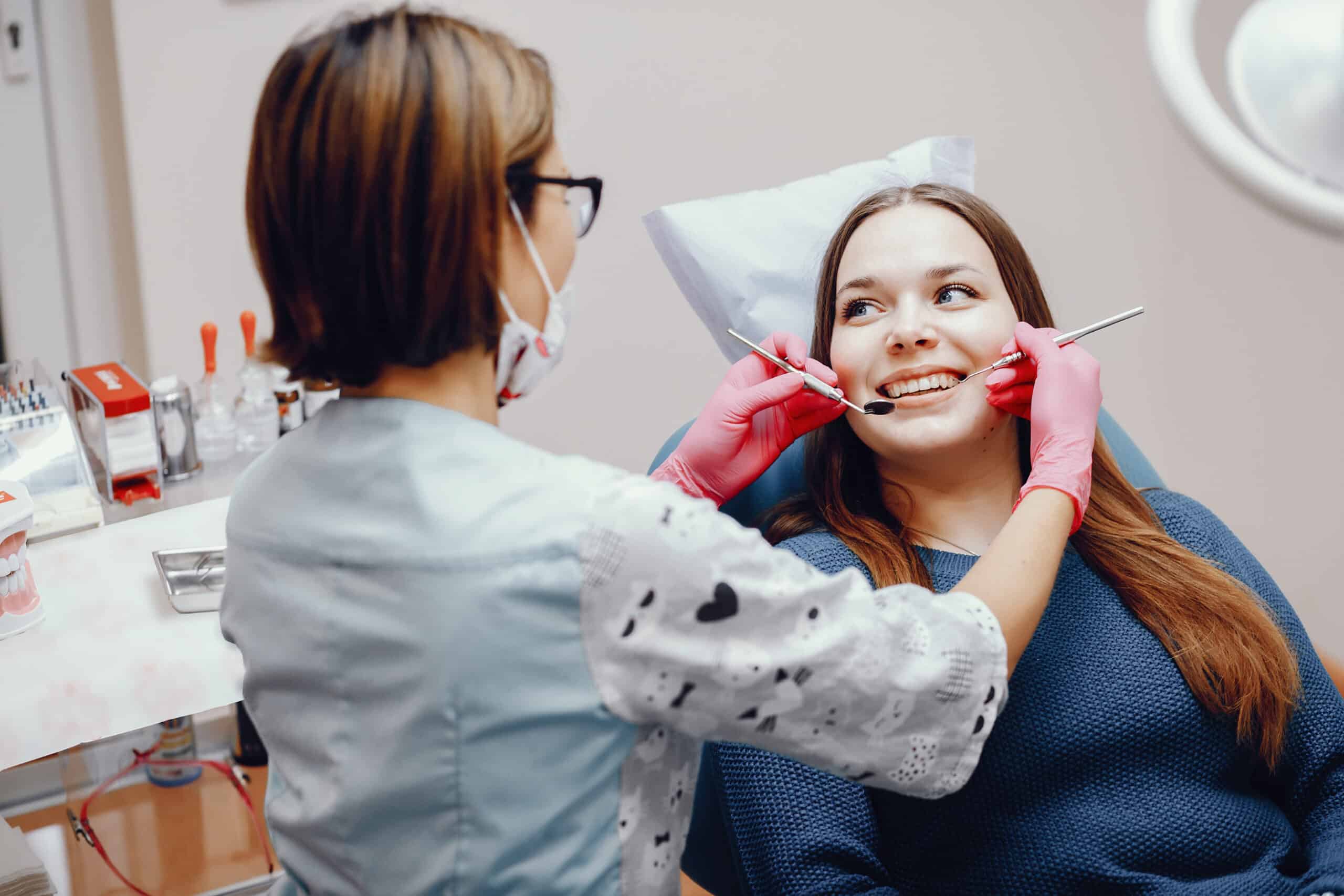
Why Should Teeth Whitening Begin With a Dental Examination?
Patients considering teeth whitening Bodrum should begin with an assessment of their teeth and gums rather than choosing a whitening method based only on the shade they would like to achieve. Tooth colour can be influenced by natural enamel characteristics, age-related changes, diet, smoking, previous dental treatment and existing restorations. A professional whitening assessment helps determine whether whitening is suitable and whether another dental condition needs attention first.
The dentist may examine the teeth for decay, cracks, worn enamel, exposed root surfaces and existing fillings or crowns. Gum health is also important because inflamed or irritated tissues may need to be managed before cosmetic treatment begins. In some cases, what appears to be general discolouration may actually be related to surface deposits that can be addressed through professional cleaning rather than whitening alone.
A single dark tooth may also require a different assessment from generalised staining across the smile. Previous trauma, root canal treatment or changes within the tooth can produce a colour difference that may not respond in the same way as the surrounding natural teeth. For this reason, patients interested in teeth whitening Bodrum should expect treatment planning to begin with identifying the type and cause of the discolouration.
How Are Tooth Colour and the Expected Whitening Result Assessed?
Tooth shade assessment helps establish the starting colour before treatment and provides a reference for evaluating change afterwards. Natural teeth are not usually a single uniform shade. The appearance of a tooth depends on the enamel, underlying dentine, translucency and the way light reflects from the surface. A realistic whitening plan therefore focuses on improving the existing natural shade rather than guaranteeing one identical level of whiteness for every patient.
Different types of staining can respond differently. Surface staining related to coffee, tea, tobacco or strongly pigmented foods may have a different appearance from deeper colour changes within the tooth. Yellowish, brown or grey shades can also behave differently during whitening. This is why the dentist may discuss the likely response before treatment rather than promising a specific final shade.
The colour of neighbouring teeth should also be considered. Canines, for example, may naturally appear slightly darker than front teeth. The aim of whitening is generally to create a more harmonious overall appearance rather than force every tooth to look exactly the same. Shade planning should also consider whether crowns, fillings or veneers are present within the visible smile because these materials respond differently from natural enamel.
Why Do Fillings, Crowns and Veneers Matter Before Whitening?
Existing dental restorations are an important part of whitening treatment planning because fillings, crowns, bridges and veneers do not change colour in the same way as natural teeth. A restoration-aware whitening plan therefore considers whether these materials are visible and how they may look after the surrounding natural teeth become lighter.
For example, a tooth-coloured filling that currently blends well with the surrounding enamel may appear darker after whitening. The same situation can occur with a crown on a front tooth. This does not automatically mean that the restoration needs to be replaced. The dentist should assess its condition, position and appearance after the whitening result has stabilised before deciding whether additional restorative work is clinically justified.
Patients visiting a dental clinic Bodrum for whitening should therefore mention any previous cosmetic or restorative dental treatment. Even restorations that are not obvious to the patient may affect the final shade balance. Understanding their location before whitening helps the dentist explain what can and cannot be changed by the procedure.
This is particularly relevant when several front teeth have different types of restoration. In such cases, the whitening sequence may need to be coordinated with future restorative treatment so that shade selection can be planned more accurately.
How Do Gum Health and Tooth Sensitivity Affect Whitening?
Gum health should be evaluated before whitening because bleeding, swelling or significant inflammation may indicate that periodontal care is needed first. Whitening should be planned within the context of overall oral health rather than treated as an isolated cosmetic procedure. A pre-whitening dental check can also identify areas where recession or exposed root surfaces may influence sensitivity.
Some patients already experience sensitivity to cold drinks, air or brushing before treatment begins. This may be associated with gum recession, worn enamel, cracks or other dental conditions. The dentist should understand the existing sensitivity pattern before deciding how whitening should be performed. Treatment concentration, application time or the overall whitening protocol may need to be adapted according to the individual patient.
Temporary sensitivity can occur during or after whitening in some patients. For this reason, patients should understand what type of sensation may be expected and when discomfort should be reassessed. Persistent or significant pain should not simply be assumed to be a normal part of cosmetic treatment.
Patients with a history of sensitivity may also receive individual advice regarding toothpaste, oral care products or treatment intervals. The objective is to balance the cosmetic goal with the comfort and health of the natural teeth.
What Lifestyle Factors Can Affect Teeth Whitening Results?
Diet and lifestyle habits can influence both the starting tooth colour and how the result changes after treatment. Coffee, tea, red wine, tobacco and other strongly pigmented substances may contribute to surface staining over time. A long-term whitening maintenance plan should therefore include realistic advice about habits that may affect the appearance of the teeth after treatment.
This does not mean that patients must permanently avoid every coloured food or drink. However, frequent exposure to staining substances can contribute to gradual colour change. Regular brushing, cleaning between the teeth and professional dental care when indicated can help manage external staining.
Smoking and tobacco use are also relevant because they can contribute to discolouration and have wider effects on oral health. Patients should discuss these habits openly during consultation so the dentist can consider both the cosmetic and periodontal aspects of treatment.
Oral hygiene also affects how bright the teeth appear. Plaque and surface deposits can reduce the visible effect of whitening and may make shade assessment less accurate. Professional cleaning may therefore be recommended before whitening when significant deposits are present.
How Is the Whitening Method Selected?
Professional teeth whitening can be planned using different approaches depending on the patient’s oral health, starting shade, sensitivity and treatment goals. The dentist may consider an in-clinic procedure, professionally supervised home whitening or a combination of approaches where clinically appropriate. A controlled whitening protocol should be selected after examination rather than solely according to convenience.
The treatment method can also depend on how quickly the patient wants to complete treatment and whether they can follow a home protocol consistently. However, convenience should not replace clinical suitability. The condition of the teeth and gums remains the main consideration.
A Bodrum dentist may also explain how the whitening product is applied, how the surrounding gum tissues are protected and how the response is reviewed. Patients should ask whether additional sessions might be considered and how the dentist determines when enough whitening has been achieved.
It is important to avoid assuming that stronger or longer treatment automatically produces a better result. Whitening should be carried out within an appropriate clinical protocol, and the final outcome depends partly on the natural characteristics of the teeth.
What Should You Know About Aftercare and Long-Term Maintenance?
Whitening aftercare helps patients maintain the result and monitor any temporary sensitivity after treatment. Oral hygiene remains important because plaque and staining can gradually affect the appearance of the teeth. A long-term maintenance approach should be based on the individual patient’s diet, habits and natural tendency toward staining.
Patients may be advised to pay particular attention to strongly coloured foods and beverages during the early period after treatment, according to the clinical instructions provided. If sensitivity develops, the dentist may recommend specific oral care strategies depending on the severity and duration of the symptoms.
Whitening results are not necessarily permanent. Teeth can gradually change colour again because of ageing, food, drinks, tobacco or other factors. This does not mean that whitening should be repeated frequently without assessment. Any future maintenance treatment should consider the current condition of the teeth and gums.
Patients with crowns, veneers or fillings should also remember that these restorations will not change shade along with natural teeth. If a colour difference becomes noticeable after whitening, the dentist can assess whether any further treatment is appropriate rather than automatically replacing existing dental work.
Conclusion
Teeth whitening Bodrum treatment should begin with a professional assessment of natural tooth colour, gum health, sensitivity and existing restorations. A personalised whitening plan helps determine whether treatment is appropriate, which method may be suitable and what type of shade change can realistically be expected.
Patients should also understand that fillings, crowns and veneers do not whiten like natural teeth and that lifestyle habits can influence long-term maintenance. Whitening is therefore best considered as part of a wider dental care plan rather than a stand-alone cosmetic procedure. Good oral hygiene, realistic expectations and appropriate professional follow-up all contribute to a more controlled treatment process.
Frequently Asked Questions
Should I have a dental examination before teeth whitening?
Yes. The teeth, gums, existing restorations and type of discolouration should be assessed before treatment is planned.
Does teeth whitening work the same for everyone?
No. The response varies according to natural tooth colour, enamel characteristics, staining and previous dental treatment.
Can crowns and veneers be whitened?
Dental restorations generally do not change colour in the same way as natural teeth.
Can fillings look different after whitening?
Yes. Existing tooth-coloured fillings may appear darker if the surrounding natural teeth become lighter.
Can I have whitening if I have sensitive teeth?
Sensitivity should first be assessed. The treatment approach may need to be adjusted according to the cause and severity.
Should gum problems be treated before whitening?
Gum inflammation or other oral health problems may need to be managed before cosmetic whitening is considered.
Does professional cleaning whiten the teeth?
Cleaning can remove plaque, calculus and some surface staining, but it is different from a professional whitening procedure.
Can coffee and tea affect whitening results?
Frequent exposure to strongly pigmented drinks can contribute to staining over time.
Are whitening results permanent?
No. Tooth colour can gradually change again depending on ageing, diet, smoking and oral hygiene.
Can whitening be repeated in the future?
Maintenance treatment may be considered, but the teeth and gums should be reassessed before additional whitening is planned.