

What Should New Patients Look for Before Booking?
Choosing a dental clinic Bodrum new patients can feel comfortable returning to should involve more than checking location or appointment availability. A first dental visit is an opportunity to understand how the clinic examines patients, explains treatment and manages follow-up. A well-structured first consultation should help the patient understand not only what treatment may be needed but also why it is being recommended.
New patients can start by reviewing whether the clinic provides clear information about its dentists, treatment areas and general approach. It is also useful to consider whether communication is straightforward, particularly for international patients who may prefer to discuss treatment in English. The ability to ask questions and receive clear answers can make a significant difference when treatment becomes more complex.
Patients should also think about whether they are looking for a clinic for one specific procedure or for ongoing care. Someone planning a single cosmetic consultation may have different priorities from a long-term resident who needs routine examinations, restoration monitoring and emergency support. More information about the general clinical approach can be found through the dental clinic Bodrum page.
How Important Is the Quality of the First Examination?
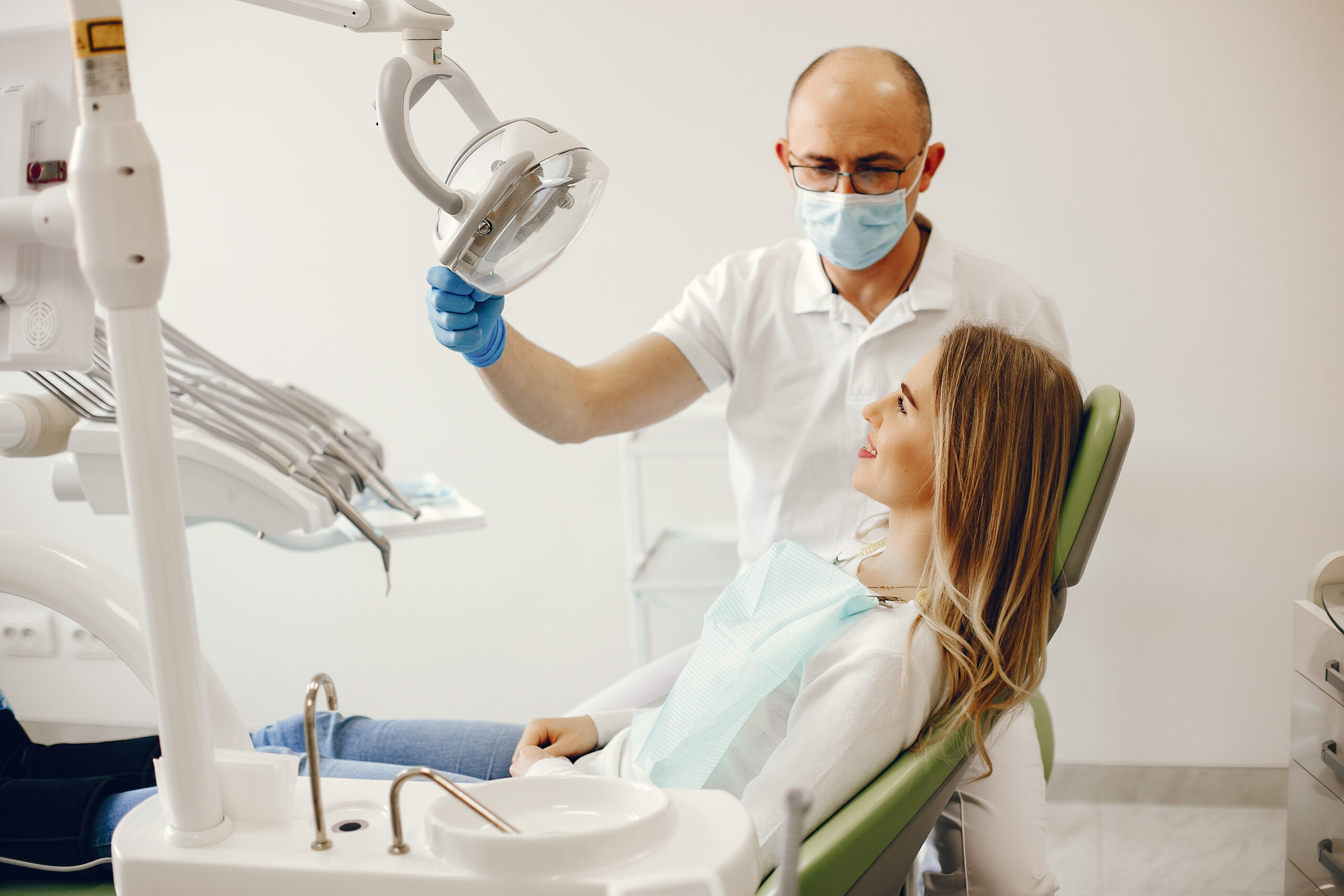
A comprehensive first dental examination is one of the most useful indicators of how a clinic approaches patient care. The dentist should evaluate more than the single tooth or cosmetic concern that brought the patient to the appointment. Natural teeth, gums, existing fillings and crowns, bite and areas of sensitivity may all need to be reviewed. A whole-mouth assessment helps identify issues that could influence the proposed treatment.
For example, a patient asking about cosmetic treatment may also have gum inflammation that should be addressed first. A patient interested in replacing a missing tooth may require assessment of neighbouring teeth and bone before an implant or bridge can be discussed properly. This is why the first visit should establish a clinical baseline rather than jump directly to treatment.
New patients should also ask whether diagnostic imaging is required and why. Not every patient needs the same type of X-ray or scan. The dentist should be able to explain what information the image will provide and how it may affect the treatment plan. This helps ensure that technology is being used according to clinical need rather than as a routine step without explanation.
How Should Dentist Experience and Treatment Areas Be Compared?
Dentist experience should be considered in relation to the type of treatment the patient may need. Implant surgery, cosmetic dentistry, restorative treatment, gum care and root canal procedures involve different clinical skills and planning requirements. A treatment-specific experience assessment can therefore be more useful than simply asking how many years a dentist has worked.
Patients may ask who will perform each stage of treatment and whether more than one dentist will be involved. Complex cases can sometimes benefit from a coordinated team approach, especially when surgery, prosthetic treatment and gum care need to be combined.
It is also useful to ask whether the dentist regularly manages cases similar to the patient’s own. A Bodrum dentist working within a clinic should be able to explain their role in the treatment plan and how different stages are coordinated. Clear role definition can make the process easier to understand, particularly for new patients unfamiliar with the clinic.
How Can You Tell Whether a Treatment Plan Is Personalised?
A personalised dental treatment plan should reflect the patient’s actual clinical findings rather than offering the same procedure to everyone with a similar cosmetic or functional concern. The dentist should explain which teeth require treatment, which areas can be monitored and whether alternative options exist. A clinically justified treatment plan should also preserve healthy natural tooth structure where possible.
For example, a patient concerned about tooth colour may not necessarily need crowns or veneers. Whitening or another conservative treatment may be suitable depending on the condition of the natural teeth. Similarly, a missing tooth may have different restorative options depending on bone, neighbouring teeth and the patient’s bite.
Patients should feel comfortable asking why a particular treatment is being recommended. They may also ask what would happen if they decided not to proceed immediately and whether any parts of the plan are elective rather than necessary. A clinic that explains these differences clearly can help patients make more informed decisions.
Why Are Communication and Written Information Important?
Clear patient communication is particularly important for new patients because they do not yet have an established relationship with the clinic. The dentist should explain diagnosis, treatment options, expected stages and follow-up in understandable language. A transparent consultation process allows patients to ask questions without feeling rushed.
Written treatment plans can also be useful, especially when several procedures are involved. Patients may want to review the sequence of treatment, the number of expected visits and which stages depend on laboratory work or healing. This is particularly valuable for international patients or people who divide their time between Bodrum and another country.
Communication should continue after treatment as well. Patients should know how to contact the clinic if they experience new pain, sensitivity or a problem with a restoration. A reliable follow-up pathway is an important part of choosing a clinic for long-term care rather than only for one appointment.
How Should Cosmetic and Preventive Care Be Evaluated?
Preventive dental care should remain part of the clinic’s approach even when the patient is primarily interested in cosmetic treatment. Gum health, tooth decay risk, existing restorations and daily oral hygiene all influence the suitability and maintenance of aesthetic procedures. A conservative cosmetic approach should therefore begin with oral health rather than appearance alone.
For example, patients interested in teeth whitening Bodrum should first have the natural teeth, gums and visible restorations assessed. Whitening changes the colour of natural teeth but does not affect crowns, fillings or veneers in the same way. This may influence how the final smile looks and whether any other treatment is necessary.
New patients should also look for a clinic that does not automatically recommend extensive restorative work when a more conservative option may be appropriate. Preserving healthy tooth structure should remain an important consideration in treatment planning.
How Should Follow-Up and Long-Term Care Influence Your Choice?
Long-term dental follow-up can be just as important as the treatment itself. Fillings, crowns, bridges and implants require monitoring over time, while gum health and bite can change gradually. A continuity-focused dental plan allows the clinic to compare findings from one appointment to the next and determine whether an area needs treatment or simply continued observation.
Patients should ask how routine reviews are organised and whether previous records remain available for future appointments. Those with implants or extensive restorative work may also want to know how maintenance is handled and what information is provided if another dentist needs to review the treatment later.
Emergency access can also be relevant, particularly for residents or long-stay visitors. A broken filling, loose crown or sudden toothache may require assessment before the next routine appointment. Knowing how the clinic manages these situations can provide useful insight into its overall approach to patient care.
Conclusion
New patients choosing a dental clinic Bodrum should compare the quality of the first examination, dentist experience, treatment planning, communication and long-term follow-up rather than focusing only on location or convenience. A patient-centred dental approach should explain what treatment is needed, why it is recommended and whether clinically suitable alternatives exist.
The most useful clinic relationship is one that supports both current treatment and future oral health. Clear records, preventive care, conservative treatment planning and reliable follow-up can help new patients build a more consistent approach to dental care in Bodrum.
Frequently Asked Questions
What should I check before choosing a dental clinic in Bodrum?
Look at the quality of the first examination, dentist experience, treatment planning, communication and follow-up process.
Should a first appointment include a full-mouth examination?
A broader assessment can help identify issues that may affect the patient’s current concern or future treatment.
Is dentist experience more important than clinic technology?
Both can be relevant, but technology should support clinical judgement rather than replace it.
Should I ask why a treatment has been recommended?
Yes. Understanding the clinical reason for treatment helps patients make more informed decisions.
Can I ask about alternative treatments?
Yes. Clinically suitable alternatives and their limitations should be discussed where appropriate.
Should I receive a written treatment plan?
Written information can be useful when treatment involves several stages or multiple appointments.
Can cosmetic treatment be discussed at the first visit?
Yes, but the teeth and gums should first be assessed to determine whether cosmetic treatment is appropriate.
Do old crowns and fillings need replacement when changing clinics?
No. Existing restorations should be reviewed according to their current clinical condition.
Why is follow-up important when choosing a clinic?
Follow-up allows the dentist to monitor restorations, gum health and other changes over time.
What is the main sign of a personalised treatment plan?
The plan should be based on the patient’s individual clinical findings and clearly explain why each recommended procedure is needed.