

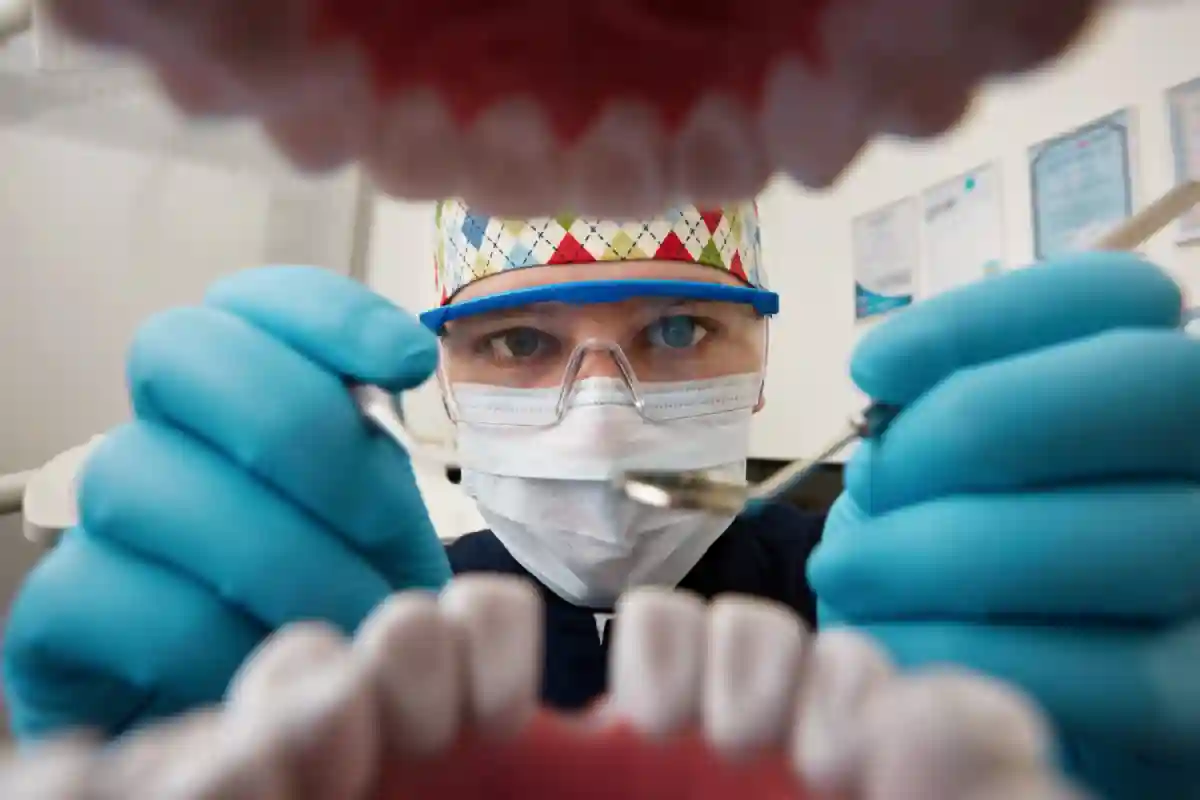
What Are Dental Bridges and When Are They Needed?
A dental bridge is a fixed prosthetic restoration that replaces one or more missing teeth by anchoring artificial teeth to the natural teeth or implants on either side of the gap. Unlike removable dentures, bridges are permanently cemented or screwed into place and function just like natural teeth, restoring your ability to chew, speak and smile with confidence. Tooth loss left untreated can lead to a chain of complications: neighbouring teeth drift into the gap, opposing teeth over-erupt, bite alignment shifts and jawbone deterioration begins in the area where the root once was. Moreover, these changes can accelerate further tooth loss and create increasingly complex treatment needs over time. As a result, addressing missing teeth promptly with a well-designed bridge is one of the most effective ways to preserve your oral health and prevent costly future interventions. A bodrum dentist evaluates your specific case through clinical examination and 3D imaging to determine whether a bridge is the most suitable solution or whether an implant-based approach would deliver better long-term results. For a comprehensive overview of all restorative options available, visit our dental bodrum homepage where every treatment is explained in detail.
Types of Dental Bridges Available at a Bodrum Dentist
Several types of dental bridges exist, and a bodrum dentist selects the most appropriate design based on the location of the missing teeth, the condition of the supporting teeth and the patient’s long-term treatment goals. The traditional bridge is the most common type, consisting of one or more pontic teeth anchored to crowns placed over the natural teeth on both sides of the gap. This design provides excellent stability and is suitable for most posterior tooth replacements. The cantilever bridge anchors to a supporting tooth on only one side and is used in specific situations where only one adjacent tooth is available. Furthermore, the Maryland bridge uses a metal or ceramic framework bonded to the back of adjacent teeth, requiring minimal preparation of healthy tooth structure. This conservative approach makes it ideal for replacing front teeth where biting forces are lower. Additionally, the implant-supported bridge represents the gold standard for patients missing three or more consecutive teeth, as it relies on titanium implants rather than natural teeth for support, preserving healthy tooth structure entirely. Each type has distinct clinical advantages, and the right choice depends on your individual anatomy and needs. Our dental clinic near me alternative in Bodrum offers all four bridge types, ensuring that every patient receives the solution best suited to their case.
Dental Bodrum: Zirconia, Porcelain and Material Options
The material used for your bridge determines its strength, aesthetics and longevity, and dental bodrum clinics offer the full range of modern restorative materials. Zirconia is the most popular choice for bridge restorations due to its exceptional combination of strength and natural appearance. As a metal-free ceramic, zirconia eliminates the dark gum-line that traditional metal-porcelain bridges can cause and provides fracture resistance strong enough for long-span posterior bridges and implant-supported prostheses. Porcelain fused to zirconia substructure offers another premium option, combining the strength of a zirconia framework with the superior light-translucency of hand-layered porcelain for front-tooth restorations where aesthetics are paramount. On the other hand, traditional metal-ceramic bridges remain a reliable and cost-effective alternative for posterior areas where appearance is less critical. All materials used at leading Bodrum clinics are CE-certified and sourced from internationally recognised manufacturers including Ivoclar and Vita. Consequently, the restorations produced in Bodrum meet the same quality standards as those made in any UK or European laboratory. In-house CAD/CAM laboratories design and mill zirconia frameworks with micron-level precision, and hand-finishing by skilled dental technicians adds the final aesthetic details. A bodrum dentist discusses all material options with you during consultation, explaining the clinical and aesthetic benefits of each so you can make a fully informed choice. Dental clinic near me alternatives rarely offer this level of material transparency, as many UK practices outsource laboratory work without specifying the exact materials used.
The Bridge Treatment Process from Consultation to Fitting
The bridge treatment process at a leading dental bodrum clinic follows a precise, technology-driven workflow designed for both accuracy and efficiency. The journey begins with a 3D intra-oral scan that captures a detailed digital model of your teeth, replacing the discomfort of traditional impression moulds. The dentist uses this scan alongside your CT imaging to design the bridge digitally, determining the ideal shape, size, colour and fit of each pontic and supporting crown. Supporting teeth are then carefully prepared by removing a thin layer of enamel to accommodate the crowns that will anchor the bridge. A second digital scan captures the prepared teeth, and the design files are sent directly to the in-house CAD/CAM laboratory where the bridge is precision-milled from a solid block of zirconia or ceramic. Furthermore, because the laboratory operates within the clinic, turnaround times are measured in hours rather than the weeks typically required when a dental clinic near me in the UK sends work to an external lab. After milling, the bridge receives hand-layered porcelain finishing and colour matching before a try-in appointment confirms the fit. The dentist checks bite alignment, contact points and aesthetics meticulously before permanently cementing the restoration. Most bridge treatments are completed within three to five days, making it perfectly suited to a treatment visit in Bodrum. Bodrum dentist clinics manage this entire process under one roof, giving patients a seamless experience from first scan to final smile.
Implant-Supported Bridges: The Most Durable Solution
For patients missing three or more consecutive teeth, implant-supported bridges offer distinct advantages over traditional bridges that rely on natural teeth for support. Instead of grinding down healthy adjacent teeth to serve as anchors, titanium implants are placed directly into the jawbone to support the bridge independently. This preserves 100 percent of the healthy tooth structure on either side of the gap and distributes chewing forces through the implants into the bone rather than through neighbouring teeth. Additionally, implant-supported bridges stimulate the jawbone in the same way natural roots do, preventing the bone resorption that inevitably follows tooth loss. The result is a restoration that looks, feels and functions like natural teeth and can last decades with proper care. However, implant-supported bridges require sufficient bone volume for implant placement, and patients with bone loss may need supplementary procedures such as bone grafting or sinus lifting before implants can be placed. Therefore, a thorough 3D CT evaluation is essential to determine candidacy. Leading dental clinic near me alternatives in Bodrum have full-time maxillofacial surgeons on staff who perform both the surgical and prosthetic phases of implant-supported bridge treatment. Bodrum dentist teams use digital surgical guides to place implants with millimetre precision, and the final zirconia bridge is designed and produced in the clinic’s own CAD/CAM laboratory for a perfect fit.
Bodrum Dentist Bridge Restorations: Cost and Value for UK Patients
The cost of bridge restorations in Bodrum represents significant savings for UK patients without any compromise on materials, technology or clinical expertise. A three-unit zirconia bridge in the UK typically costs between £1,500 and £3,000, while the same restoration using identical CE-certified materials in Bodrum is available at roughly one-third of that price. For implant-supported bridges involving two implants and three crowns, the savings are even more substantial, as both the surgical and prosthetic components are priced competitively. In addition, these prices are all-inclusive, covering digital scanning, tooth preparation, laboratory production, try-in appointments and final cementation. There are no hidden fees for materials, adjustments or follow-up visits. The savings comfortably cover return flights, accommodation in a Bodrum beachfront hotel and daily expenses, with significant money still remaining compared to a UK quote. Dental bodrum clinics present every cost transparently in a written treatment plan before any work begins, so you can plan your budget with complete confidence. As a result, bridge restoration in Bodrum is not just more affordable but often a superior experience overall: shorter waiting times, in-house laboratory speed, dedicated patient coordination and a recovery setting on the Aegean coast. For UK patients weighing their options, our dental bodrum homepage provides a complete overview of the clinic’s capabilities, team credentials and patient testimonials.
Conclusion
Dental bridges remain one of the most effective and reliable solutions for replacing missing teeth, and Bodrum offers UK patients access to every bridge type and material at a fraction of UK prices. Whether you need a traditional porcelain bridge, a conservative Maryland bonded restoration or a long-lasting implant-supported solution, experienced Bodrum dental teams combine 3D digital planning, in-house CAD/CAM production and premium CE-certified materials to deliver results that match the best European practices. The treatment process is efficient, transparent and designed around your travel schedule. If missing teeth are affecting your confidence, comfort or oral health, requesting a free remote consultation with your X-ray and photographs is the simplest way to explore your options and discover how much you could save.
Frequently Asked Questions
What is the difference between a bridge and an implant?
A bridge anchors artificial teeth to adjacent natural teeth or implants. A standalone implant replaces a single tooth independently without affecting neighbouring teeth. Your dentist recommends the best option based on your specific case.
How long does a dental bridge last?
A well-maintained zirconia bridge typically lasts 15 to 20 years or longer. Implant-supported bridges can last even longer, with the implants themselves potentially lasting a lifetime.
Is the bridge treatment painful?
Tooth preparation and fitting are performed under local anaesthesia, so you feel no pain during the procedure. Mild sensitivity after preparation is normal and resolves within a few days.
How many days do I need in Bodrum for a bridge?
Most bridge treatments are completed in three to five days. Implant-supported bridges require two visits: one for implant placement and a second for the final bridge after healing.
What material is best for a dental bridge?
Zirconia is the most popular choice for its combination of strength and natural appearance. Your dentist recommends the ideal material based on the bridge location and your aesthetic goals.
Do dental bridges look natural?
Yes, modern zirconia and porcelain bridges are designed using digital colour matching and hand-layered finishing techniques that closely replicate the translucency and shade of natural teeth.
Can a bridge replace more than one missing tooth?
Yes, bridges can replace one to several consecutive missing teeth. For larger spans, implant-supported bridges provide additional stability and distribute chewing forces more effectively.
How much does a dental bridge cost in Bodrum?
A three-unit zirconia bridge in Bodrum costs roughly one-third of equivalent UK prices. Exact pricing depends on the material chosen and the number of units required.
What happens if a supporting tooth under my bridge develops a problem?
Regular check-ups help detect issues early. If a supporting tooth requires treatment, the bridge may need to be removed, the tooth treated and a new bridge fabricated. Implant-supported bridges avoid this risk entirely.
Can I eat normally with a dental bridge?
Yes, once the bridge is permanently cemented you can eat a normal diet. It is advisable to avoid excessively hard or sticky foods to protect the restoration long-term.