

How Does a Dental Clinic Bodrum Begin Treatment Planning?
A professional dental clinic Bodrum should begin treatment planning with a detailed examination rather than recommending a standard procedure immediately. The first stage usually focuses on understanding the patient’s main concerns, current oral health, previous dental treatment and expectations. A personalised dental assessment may include evaluation of the teeth, gums, existing restorations, missing teeth and the way the upper and lower jaws meet. The aim is to understand the mouth as a complete system before deciding which treatment options may be appropriate. This approach is particularly important when a patient is considering more than one procedure, because cosmetic, restorative and surgical treatments may need to be planned in a specific order.
Why Is the Initial Consultation Important?
The initial dental consultation gives both the dentist and the patient an opportunity to discuss the main concerns before treatment begins. A patient may visit because of a missing tooth, tooth colour, worn restorations, discomfort or a broader smile-related concern. However, the visible problem may not always be the only clinical issue that needs attention. A Bodrum dentist may also evaluate gum health, bite, tooth structure and previous restorations to identify conditions that could influence treatment. This stage is also important for explaining which concerns can be addressed conservatively and which may require a more extensive approach.
How Are Teeth and Gums Evaluated?
Dental and periodontal examination is one of the foundations of a treatment plan. Teeth are assessed for decay, fractures, wear, large fillings, previous root canal treatments and existing crowns or bridges. The gums are also examined because active inflammation or periodontal disease may need to be managed before restorative or cosmetic treatment. Oral health assessment helps determine whether the supporting tissues are stable enough for procedures such as crowns, veneers, implants or whitening. A treatment plan should therefore address oral health first rather than focusing only on appearance.
What Role Does Digital Imaging Play?
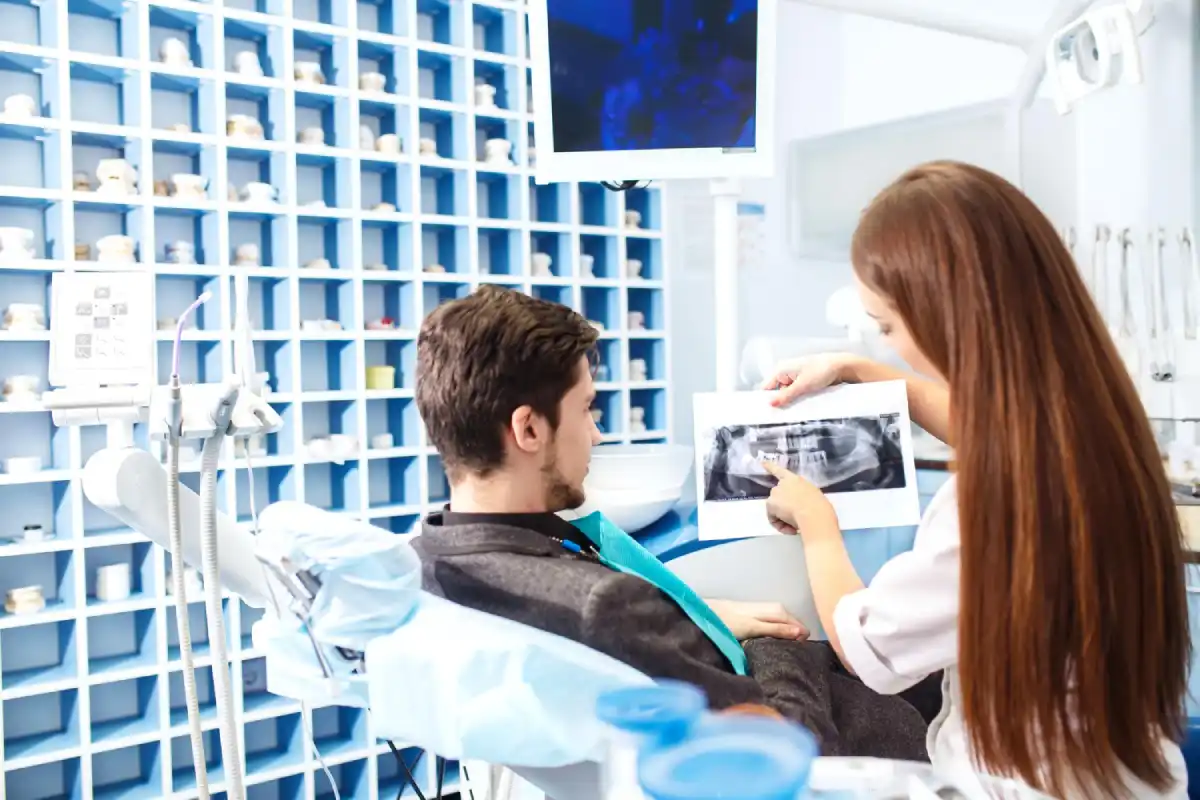
Digital imaging can provide additional information that cannot always be seen during a visual examination. Depending on the treatment, panoramic imaging or three-dimensional scans may be used to assess tooth roots, jawbone, missing-tooth areas and anatomical structures. A digital treatment plan can be particularly useful when implant placement or more complex restorative work is being considered. Imaging does not replace the clinical examination, but it helps the dentist combine visible findings with information about structures beneath the gums and bone.
How Are Treatment Priorities Decided?
A good treatment plan follows a logical order. Treatment sequencing usually begins with conditions that affect health or stability before moving to elective cosmetic procedures. For example, active gum inflammation, dental decay or infection may need attention before veneers, crowns or whitening are planned. Clinical priority planning helps ensure that cosmetic treatment is carried out on a healthier foundation. In patients who need several procedures, the dentist should explain which stage comes first, why that order is recommended and how each treatment supports the next.
Why Are Natural Teeth Preserved Whenever Possible?
Natural tooth preservation is an important principle in modern dental care. A treatment plan should not automatically involve crowns, extractions or other extensive procedures when a more conservative option may be suitable. The dentist should evaluate whether healthy tooth structure can be maintained and whether smaller interventions can address the problem. Conservative dentistry aims to treat only what is clinically necessary while protecting healthy enamel, dentine and supporting tissues. This is especially important in cosmetic cases where patients may initially assume that many teeth need treatment.
How Are Different Treatment Options Compared?
Treatment alternatives should be discussed when more than one approach may be clinically suitable. A missing tooth, for example, may sometimes be considered for an implant-supported crown or a bridge depending on the condition of the surrounding teeth and bone. Cosmetic concerns may also be managed with whitening, veneers, bonding or other methods depending on the case. Shared treatment decisions allow the patient to understand the differences between options rather than being presented with only one solution. A clear plan should explain why one approach may be preferred for the individual situation.
How Are Cosmetic Treatments Added to the Plan?
Cosmetic dental treatment should be incorporated only after the teeth and gums have been evaluated clinically. Tooth shape, shade, smile line, gum position and facial proportions may all influence the plan. A patient interested in teeth whitening Bodrum treatment, for example, may first need an assessment to determine whether discolouration is suitable for whitening or whether existing restorations will affect the result. Cosmetic treatment should therefore be integrated into the overall oral health plan rather than treated as a separate process.
When Is Teeth Whitening Included?
Teeth whitening may be considered when natural teeth are healthy and the main concern relates to colour. Before whitening, the dentist should examine the teeth for decay, cracks, sensitivity and existing restorations. A whitening treatment plan should also consider whether crowns, veneers or fillings are present in visible areas because restorative materials do not respond to whitening in the same way as natural enamel. Patients interested in whitening can review more information through the clinic’s teeth whitening Bodrum and general treatment information.
How Are Implant Treatments Planned?
Dental implant planning requires more than identifying a missing tooth. The dentist needs to assess available bone, gum health, neighbouring teeth and the intended final restoration. Three-dimensional imaging may be used to determine implant position and evaluate whether additional procedures may be required. Implant treatment sequencing should connect the surgical stage with the final crown, bridge or full-arch restoration. This means planning the position of the final tooth before deciding where the implant should be placed. For implant information, patients can review Focus Dental’s dental treatment Bodrum services and related treatment pages.
How Are Crowns and Veneers Planned?
Restorative treatment planning for crowns and veneers begins with evaluating how much healthy tooth structure remains and what the tooth actually needs. Veneers may be considered for selected front teeth when the enamel and bite are suitable, while crowns may be more appropriate when greater structural coverage is required. Tooth-specific planning means different teeth can receive different treatments within the same smile plan. A responsible clinic should avoid using one restoration type for every tooth simply for convenience or visual uniformity.
Why Is Bite Analysis Included?
Bite analysis helps the dentist understand how the upper and lower teeth contact during chewing and jaw movement. This is particularly important for patients receiving several restorations, implants or cosmetic treatments. Functional dental planning aims to distribute forces appropriately and reduce unnecessary stress on new restorations. Patients who clench or grind their teeth may require additional assessment because these habits can influence material selection and restoration design.
How Does Digital Dentistry Support Restorative Planning?
Digital dentistry can support several stages of treatment planning. Intraoral scanners may record the teeth and gums digitally, while CAD/CAM systems can assist in designing certain restorations. These tools can also improve communication between the dentist and the dental laboratory. Digital restorative planning allows shape, contact points and bite to be assessed in a structured way, but the final treatment decision should still be based on clinical findings and professional judgement.
Why Is Laboratory Coordination Important?
Dental laboratory coordination becomes especially important when crowns, veneers, bridges or implant-supported restorations are included in the treatment plan. The laboratory uses clinical records to produce restorations that must fit the teeth, gums and bite correctly. Clinical-laboratory communication helps transfer information about tooth shape, shade, contact points and restoration design. A clinic with a well-organised restorative workflow can manage this process more systematically, particularly in cases involving several teeth.
How Are Treatment Stages Explained to the Patient?
A written treatment plan should make the sequence of care easy to understand. It may explain which procedures are recommended, which teeth are involved, whether temporary restorations are needed and how follow-up will be organised. Transparent patient communication is particularly important for international patients who need to plan travel and appointment timing. The patient should understand which parts of the plan are confirmed and which may change after further clinical evaluation.
Why Is Aftercare Included in Treatment Planning?
Dental aftercare should be considered before treatment begins rather than after the final procedure is completed. Different restorations require different maintenance routines, and implants, crowns, veneers and natural teeth all depend on healthy surrounding tissues. Long-term oral care may involve brushing techniques, interdental cleaning and regular dental reviews. A treatment plan is more complete when it explains how the results should be maintained over time.
How Should International Patients Prepare?
International patient planning may begin before arrival through the sharing of dental records, photographs or previous imaging. These can help the clinic prepare an initial assessment, but the final treatment plan may still require direct examination. A Bodrum dentist should explain how many appointments may be needed, whether treatment is likely to involve separate stages and how follow-up will work after the patient returns home. General information about the clinic and treatment approach can be found on the dental clinic Bodrum website.
Conclusion
A professional dental clinic Bodrum creates treatment plans by combining examination, diagnosis, digital imaging, oral health assessment, functional evaluation and the patient’s individual needs. The process should prioritise health and preservation of natural tooth structure before cosmetic or restorative procedures are added. Personalised treatment planning also requires clear sequencing, discussion of alternatives and structured aftercare. Whether the patient is considering whitening, veneers, crowns, implants or a broader rehabilitation, the most appropriate plan is one that explains not only what treatment is recommended, but why it is suitable for that individual case.
Frequently Asked Questions
How does a dental clinic create a treatment plan?
The dentist evaluates the teeth, gums, bite, previous dental work and diagnostic imaging before deciding which treatments may be appropriate.
Is every treatment plan personalised?
It should be. Tooth structure, gum health, bone condition, bite and individual treatment needs vary from patient to patient.
Why is digital imaging used?
Digital imaging can help assess roots, bone and anatomical structures that may not be fully visible during a clinical examination.
Are cosmetic treatments planned first?
Not usually. Active oral health problems generally need to be addressed before elective cosmetic treatment is considered.
Can teeth whitening be part of a treatment plan?
Yes. Whitening may be included when natural teeth are suitable and colour is one of the patient’s main concerns.
How are dental implants planned?
Implant planning considers bone, gums, neighbouring teeth, implant position and the design of the final restoration.
Why is bite analysis important?
It helps ensure that restorations and natural teeth function appropriately under chewing forces.
Can crowns and veneers be used in the same treatment plan?
Yes. Different teeth may require different restorative approaches depending on their condition.
Is aftercare part of treatment planning?
Yes. Cleaning, maintenance and future dental reviews should be discussed as part of the overall plan.
Can a treatment plan change after the first consultation?
Yes. Additional examination or imaging may reveal findings that require the treatment sequence or recommended procedures to be adjusted.