

Why the Timeline Matters as Much as the Treatment
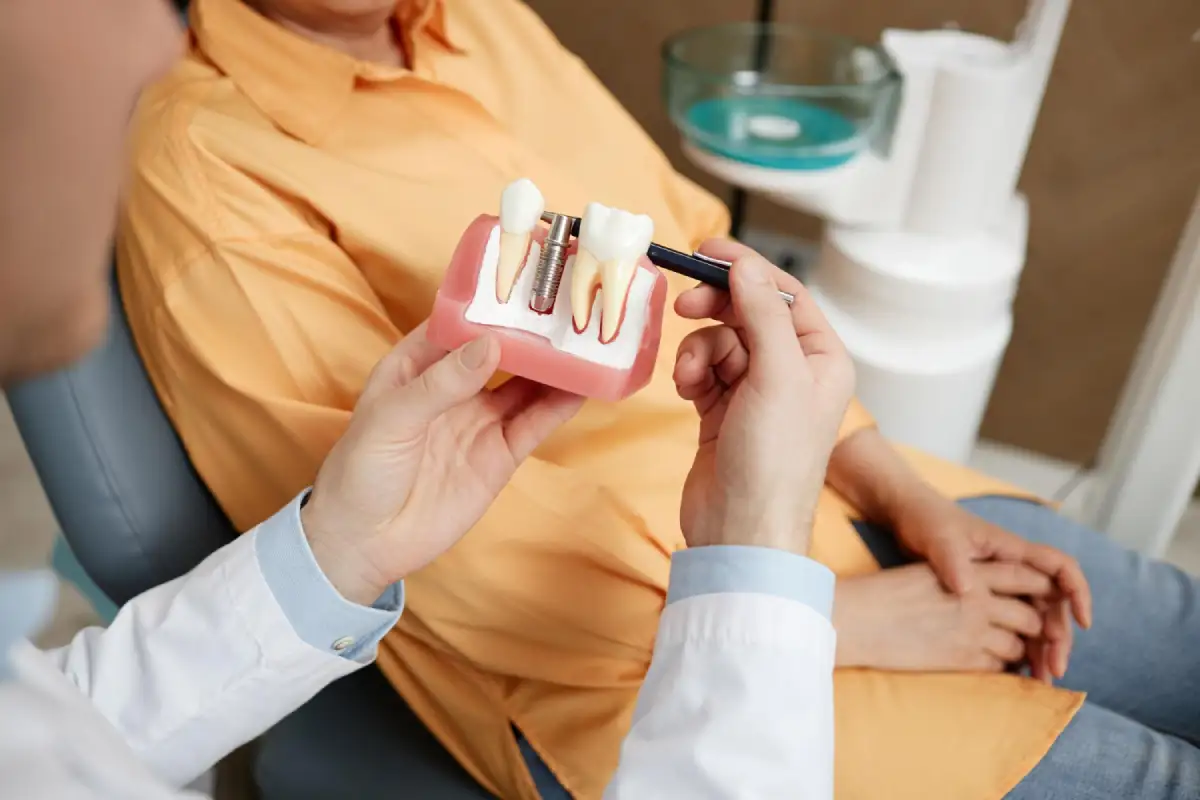
Patients considering dental implants in Bodrum usually understand the procedure itself long before they understand the schedule around it. Yet for anyone travelling, the schedule is what determines flights, accommodation, time off work and how much of the trip is genuinely free. Implant treatment is not a single appointment; it is a sequence of stages separated by a biological healing period that cannot be compressed. Knowing what happens on each day, and what happens in the months between the two visits, allows you to plan realistically instead of hoping for the best. The outline below reflects how a standard case progresses, though your own plan is confirmed only after examination and imaging. Full details of the treatment itself are set out on our implant page.
Before You Fly: Assessment and Provisional Planning
Preparation begins before you leave home. Send recent X-rays and clear intraoral photographs, and describe any medical conditions, medications and previous dental work. From this our clinicians prepare a provisional plan, an estimated number of implants and an indication of how long each visit should be. This stage exists so you can book travel with reasonable confidence, but it remains provisional by definition: bone height, width and density are measurable only on a three-dimensional scan. Any clinic that commits absolutely at this point is working from incomplete information. It is also the moment to agree practical details such as arrival dates, the length of your stay and whether a companion is travelling with you. Our approach to planning treatment for international patients is described on our health tourism page.
Day One: Consultation, CT Scan and Confirmed Plan
The first clinic day is devoted to diagnosis rather than surgery. A full examination assesses the remaining teeth, gum health and bite, followed by a cone beam CT scan that shows the jaw in three dimensions. Digital intraoral scanning replaces conventional impression material, which is both more comfortable and more precise. With this data the surgeon determines the position and angulation of each implant, whether grafting is required, and whether a fixed temporary restoration can be attached immediately. You then receive the confirmed written plan, including the implant brand, the number of components and the treatment timeline. If the scan changes the picture, this is when you are told and why. Our digital diagnostic and planning systems are described on our digital dentistry page.
Day Two: Surgery and Immediate Temporaries
Surgery is carried out under local anaesthetic in a sterile operating room. Any teeth that cannot be saved are removed first, then the implants are placed according to the digital plan. A single arch generally takes a couple of hours, and patients are usually surprised by how manageable the experience is; discomfort tends to arrive afterwards rather than during. Where the implants achieve sufficient primary stability, fixed temporary teeth are attached the same day, so you do not leave without a smile. Where stability is borderline, the surgeon may prefer to wait, and this judgement protects the long-term result. Dissolving sutures are used where possible, removing the need for a separate suture appointment. You receive written aftercare instructions and any required medication before leaving.
Days Three to Five: Review, Recovery and the Rest of the Trip
The days immediately after surgery are about controlled recovery. Swelling typically peaks around the second or third day and then subsides; cold compresses, prescribed medication and soft foods make this period straightforward for most patients. A review appointment checks the surgical sites, the fit and bite of the temporary restoration, and confirms that healing is progressing as expected. Between appointments you are free, though strenuous activity, swimming, alcohol and long periods in direct sun are best avoided during the first days. Gentle walking, quiet dinners and short drives around the peninsula suit this stage far better than an ambitious itinerary. Ideas for structuring the rest of your stay are on our health tourism page.
The Months in Between: Healing and Remote Monitoring
The longest stage of implant treatment happens at home. Osseointegration, the process by which the implant fuses with the jawbone, generally takes between two and six months depending on bone quality, the extent of surgery and whether grafting was involved. During this time you wear the temporary restoration and live normally. Remote monitoring keeps the clinic involved: photographs and messages allow the team to check healing, answer questions and identify anything unusual early. This support matters because it removes the feeling of being left alone with a healing mouth in another country. It is also when any local dental hygiene appointments should continue as normal. Routine care and general treatments available at the clinic are listed on our dental treatments page.
The Second Visit: Final Restoration and Handover
Your second trip is shorter and more predictable. Integration is confirmed clinically and radiographically, then digital scans are taken for the permanent restoration, which is designed and produced in the clinic’s own laboratory. Shade is selected with you, and a try-in appointment checks fit, bite and appearance before final fixing. Adjustments are made on site, which is why in-house production shortens this visit considerably. Once the restoration is fitted, you receive your implant passport, the guarantee document and written maintenance guidance to share with your dentist at home. This handover paperwork is not administrative detail; it is what allows any dentist in the future to work with your implants correctly. Treatment stages and systems are explained further on our implant page.
Conclusion
Implant treatment in Bodrum follows a clear rhythm: assessment before you travel, diagnosis and surgery during a first visit of several days, a healing period of months supported remotely, and a shorter second visit for the permanent restoration. Understanding this rhythm lets you book travel sensibly, plan time away from work and set realistic expectations for each stage. Your own timeline is confirmed only after a three-dimensional scan, so treat any earlier schedule as provisional. Send us your X-rays and intraoral photographs and our clinical team will prepare a personalised treatment plan for you.
Frequently Asked Questions
How long is the first visit to Bodrum?
Most patients allow several days: one for consultation and imaging, one for surgery, and a review appointment before flying home.
Will I leave the clinic with teeth after surgery?
Where the implants achieve sufficient primary stability, fixed temporary teeth are attached on the same day.
Why can the plan change after the CT scan?
Bone height, width and density are visible only in three dimensions. A scan can reveal grafting needs that photographs and panoramic X-rays cannot show.
How long is the healing period?
Osseointegration usually takes between two and six months, depending on bone quality, the extent of surgery and whether grafting was performed.
How many trips will I need?
Two in most cases: the first for surgery and temporaries, the second for the permanent restoration after healing.
Is the surgery painful?
It is performed under local anaesthetic and is generally well tolerated. Swelling and mild discomfort in the following days are managed with prescribed medication.
Can I swim or sunbathe during the trip?
Not in the first days after surgery. Swimming, alcohol, strenuous activity and prolonged sun exposure are best postponed until healing has settled.
What support is available once I return home?
Remote monitoring through photographs and messaging, along with written aftercare instructions and a point of contact for questions.
What documents do I take home?
Your implant passport, treatment plan, guarantee document and maintenance guidance for your own dentist.
Do I need to see a dentist at home during healing?
Yes. Routine check-ups and hygiene appointments should continue as normal while the implants integrate.